 Gift
Gift  Autumn
  Beauty Corner
 Viral
Viral 













OUR UNIVERSES
Enjoy and explore the themed experiences created for those who are looking for something more
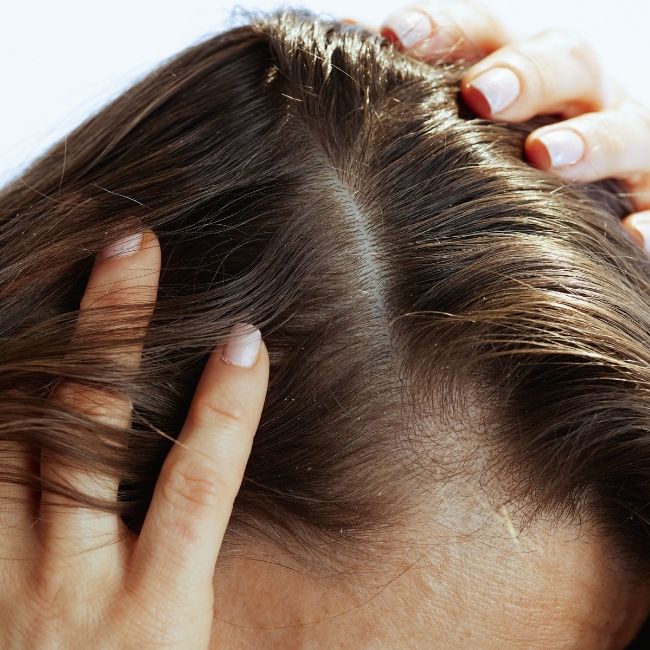
Does your hair never quite look the way you want, even when you use the best masks and conditioners? The problem might not be at the ends. It's literally at the roots.
The scalp is skin, and as such, it needs constant attention, cleansing, and care. However, for years we've treated it as if it were merely the support for our hair, forgetting that everything else depends on its health. Scalp care is here to remind us of this, and once you integrate it into your routine, the changes are truly noticeable.
The term scalp care refers to the set of practices and products focused on caring for the scalp , treating it as a direct extension of the face. Just as facial skin needs cleansing, exfoliation, and hydration, the skin on the head also requires specific attention. And the reason is simple: hair follicles reside on the scalp. If this environment is not balanced, the hair that grows from it will show it.
According to dermatological data, the scalp's epidermis renews itself approximately every 28 days. When this process is accelerated by imbalances (stress, product buildup, hormonal changes), dandruff , itching, and that familiar feeling of heaviness appear.
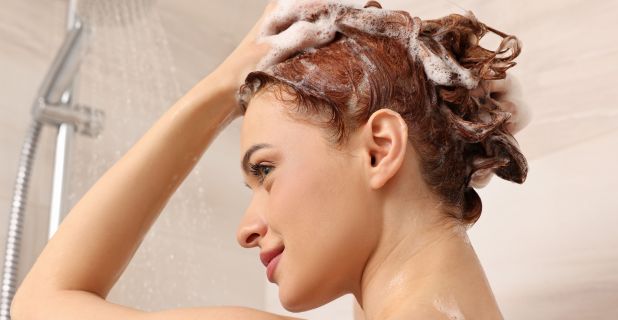
Before starting any hair care routine , it's a good idea to listen to what your scalp is already telling you. Constant itching after washing, visible dandruff on the shoulders, excess oil a few hours after showering, or more hair loss than usual are clear signs that something isn't right.
A feeling of tightness in the scalp or a lack of volume in the hair can also indicate a buildup of product residue, which clogs hair follicles and prevents hair from growing normally. Recognizing these signs is the first step before choosing any product.
There is no one-size-fits-all scalp care routine. Just like with facial skin, every scalp has different needs.
If your roots get oily a few hours after washing and your hair quickly loses volume, you probably have an oily scalp. In these cases, clarifying shampoos usually work well.
If you notice tightness, itching, or small white flakes, your scalp may be dry. Gentle formulas and moisturizing ingredients can help.
It reacts easily to changes in weather or new products. It needs gentle, fragrance-free formulas with balancing active ingredients.
Step 1. Weekly deep cleaning
Once a week, switch from your regular shampoo to a clarifying or detox shampoo that removes the buildup of residue that normal washing doesn't eliminate. The water should be lukewarm, never hot, to avoid drying out your scalp or overstimulating sebum production.
Step 2. Exfoliation
Once a week or every two weeks, apply a scalp exfoliant —physical, with microgranules, or chemical, with salicylic acid—to remove dead skin cells and unclog follicles. This step improves the absorption of all subsequent products.
Step 3. Hair serum or tonic
After cleansing, apply a hair treatment directly to the scalp. Serums with caffeine help stimulate circulation and promote hair growth ; those containing niacinamide regulate sebum and reduce redness.
Step 4. Scalp massage
Using your fingertips or a silicone massager, massage in gentle circles for two to three minutes. This stimulates circulation, improves serum absorption, and has an immediate relaxing effect. You can do this before shampooing, on dry hair, or while applying the treatment.
Although there is no miracle ingredient, some active ingredients can help you keep your scalp in balance.
Caffeine is commonly used in treatments aimed at strengthening hair. Niacinamide helps regulate excess sebum and reduce redness. Salicylic acid is especially useful for removing residue and controlling oily dandruff, while panthenol moisturizes and helps strengthen the skin barrier.
Finally, ingredients such as prebiotics , rosemary or mint help to keep the scalp balanced and provide a pleasant feeling of freshness.
Many scalp problems have more to do with certain habits than with the products you use.
Applying conditioner to the roots, washing hair with very hot water, or overusing dry shampoo are some of the most common mistakes. And always using the same shampoo with harsh sulfates, without ever changing the formula, can disrupt the hair microbiome in the long run. It's also common to focus all care on the mid-lengths and ends and completely neglect the scalp.
Taking a few minutes to observe your hair's needs and adapt your routine can make a big difference in the overall appearance of your hair.
Beautiful hair isn't just built from the ends. It's built from the scalp. A well-planned scalp care routine—with deep cleansing, regular exfoliation, active treatment, and consistent massage—can completely transform your hair in just a few weeks: less dandruff, less oil buildup, more volume, and healthier growth.
You don't need to start with ten new products. Begin by identifying your scalp type, add a weekly deep cleanse and a serum with the right active ingredients, and watch the difference. Because when the roots are healthy, everything else improves.
Just register and we'll send you a welcome email with the bonus.







 Perfume
 Beauty Corner
 Univers
 Univers








 Commitment to
 Mothers
 Sun creams
 Sunglasses
 Beauty
 SUNGLASSES