 Gift
Gift  Autumn
  Beauty Corner
 Viral
Viral 













OUR UNIVERSES
Enjoy and explore the themed experiences created for those who are looking for something more
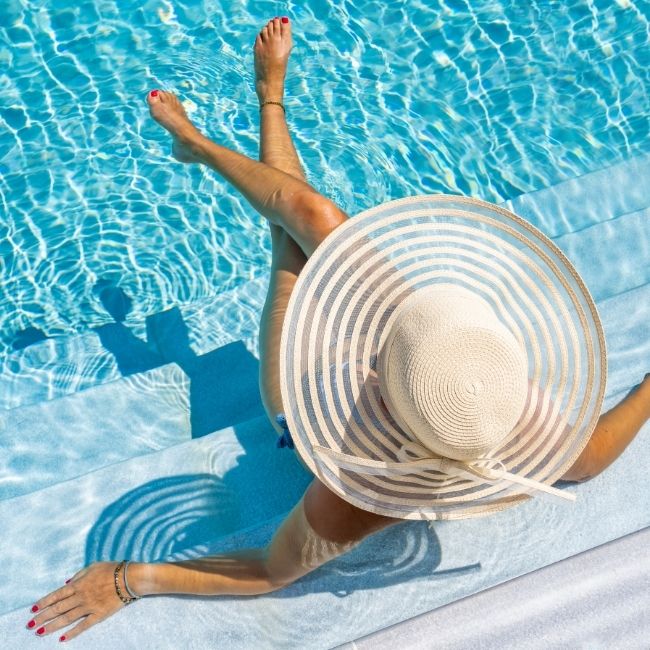
You've been waiting for summer for months, and when it finally arrives, you realize that all those dips in the pool are taking their toll. Your hair becomes rough, dull, and difficult to manage. If it's dyed, the color starts to fade or turn into strange shades. And if it's blonde or bleached, that dreaded greenish tint might appear. It's not your imagination or bad luck: it's chlorine , and it knows exactly how to weaken your hair if you don't protect it properly.
To understand how to protect yourself, you first need to know what you're up against. Pool chlorine is a very powerful disinfectant that, upon contact with hair, penetrates the cuticle (the outer layer that acts as a protective shield) and lifts it. When the cuticle is open, hair loses moisture, protein, and shine much faster than usual.
Furthermore, chlorine combines with the copper present in water, and this mixture is responsible for the greenish tint that can appear in blonde or bleached hair . It's not just the chlorine itself: it's the chemical reaction between these two elements. Understanding this is important because the solution lies not only in rinsing thoroughly but also in neutralizing this reaction from the start.
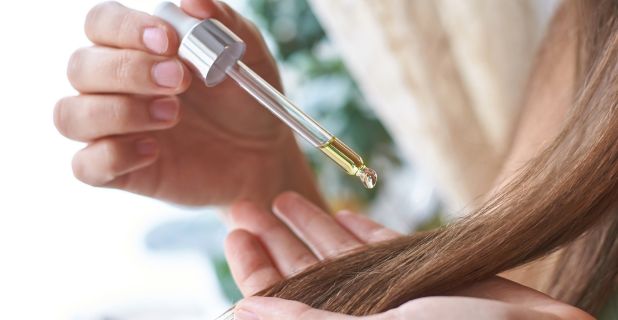
The most common mistake is thinking that hair care begins when you get out of the pool. In reality, the most important moment is right before you get in.
Wet your hair with fresh water before showering . Hair is like a sponge: if it's already saturated with clean water, it will absorb much less chlorinated water. This simple step significantly reduces damage.
Apply a leave-in oil or cream before showering . This creates a protective barrier over the cuticle, making it harder for chlorine to penetrate. Argan, coconut, or jojoba oils are perfect for this. Apply them from the mid-lengths to the ends, which are the most porous and vulnerable area.
Tie your hair up if you can . A bun or braid won't eliminate the problem, but it will reduce the surface area exposed to chlorinated water, especially for long hair.
Once you're in the pool, a few habits can make all the difference. If your hair is dyed, bleached, or especially damaged, try to avoid continuous immersions , as prolonged contact with chlorine increases dehydration of the hair fiber.
Wearing a swim cap can also be helpful, especially silicone models, which offer more effective protection from the water. And although it may seem like a minor detail, avoiding scratching your scalp while in the pool can prevent unnecessary irritation on sensitive skin .
When you get out of the pool, the clock starts ticking. The longer chlorine stays on your hair, the greater the risk of dryness, dullness, and discoloration. That's why rinsing your hair with fresh water as soon as possible is the most effective way to minimize its effects.
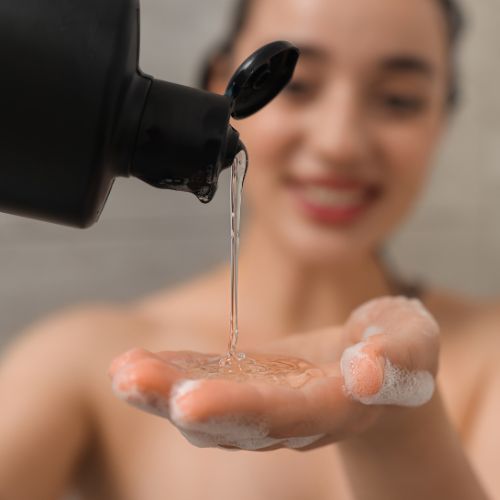
If you swim frequently, it can be helpful to incorporate an anti-chlorine or clarifying shampoo into your routine. These types of products help remove accumulated residue and prevent it from adhering to the hair fiber. However, it's best to use them only after swimming sessions, as they tend to have a more intense cleansing action than a daily shampoo.
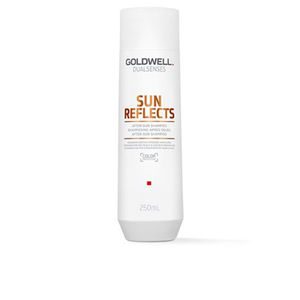
Chlorine dehydrates your hair. That's why, after washing it, hydration isn't optional: it's what repairs the damage the chlorine has caused. This is where two products that should be in your summer beauty bag come in:
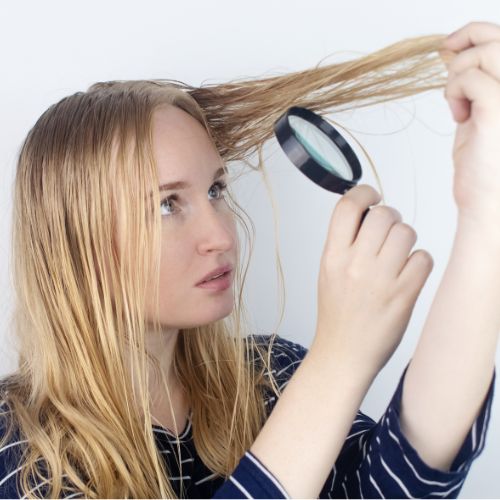
Sometimes the damage appears gradually and is easy to overlook. Hair often gives warning signs when chlorine exposure is starting to take its toll:
If you recognize two or more of these signs, your hair needs a rescue routine: a protein mask once a week, minimal use of heat, and mandatory heat protection products if you use a hairdryer or straightener.
Chlorine doesn't have to be the enemy of your hair. With a few simple steps, like wetting your hair before entering the pool, rinsing it afterward, and adding extra moisture after each swim, you can enjoy summer without sacrificing healthy, shiny hair.
The difference isn't usually in the amount of treatment, but in consistency. The better you protect your hair during pool season, the less effort you'll need afterward to restore its softness, color, and natural shine.
Just register and we'll send you a welcome email with the bonus.







 Perfume
 Beauty Corner
 Univers
 Univers








 Commitment to
 Mothers
 Sun creams
 Sunglasses
 Beauty
 SUNGLASSES