 Gift
Gift  Autumn
  Beauty Corner
 Viral
Viral 













OUR UNIVERSES
Enjoy and explore the themed experiences created for those who are looking for something more
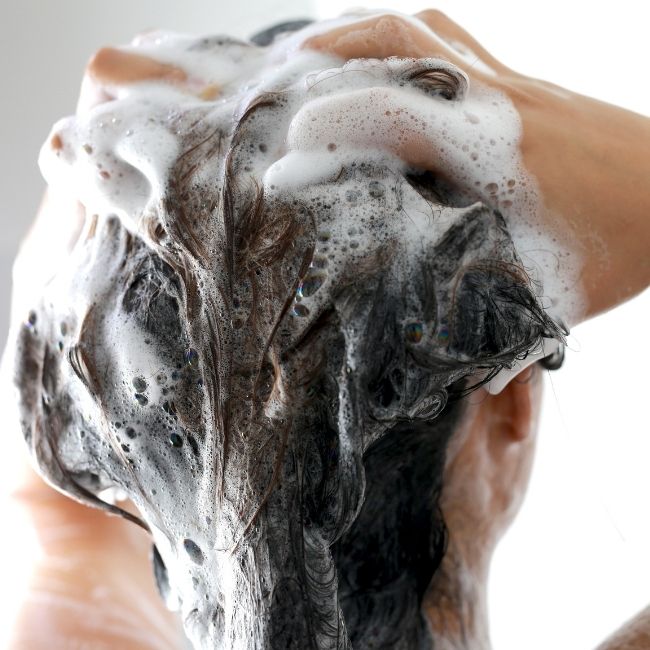
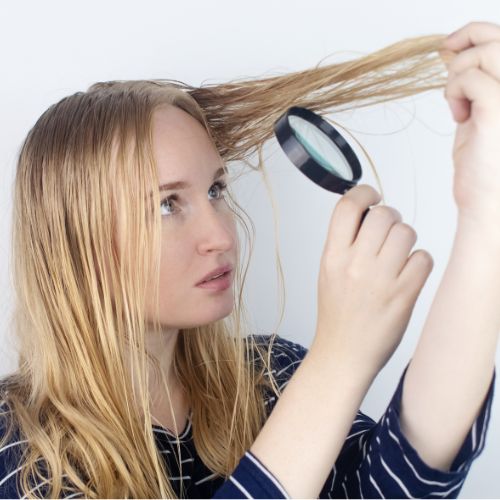
You've probably experienced this: you buy the trendy shampoo , the one that smells amazing, or the one everyone on your timeline is recommending. But when you get home and use it, your hair feels weighed down, dull, and like straw. Then you wonder what you did wrong, especially since the product had such great reviews.
What almost always happens is that we confuse two things that aren't the same: thirsty hair with starving hair. This leads you to buy blindly without knowing which one you need, and you end up with expensive and unnecessary products in the bathroom.
When we talk about hydrating, we mean giving the hair a drink, providing water to the hair fiber so it regains flexibility and lightness. In contrast, nourishing means feeding it with the necessary lipids and oils that seal the cuticle and repair what is already damaged.
Hair that's thirsty doesn't react the same way as hair that's been damaged for months by straightening irons or dyeing. That's why, when you use the wrong shampoo, your hair won't improve, even if the product itself is good.
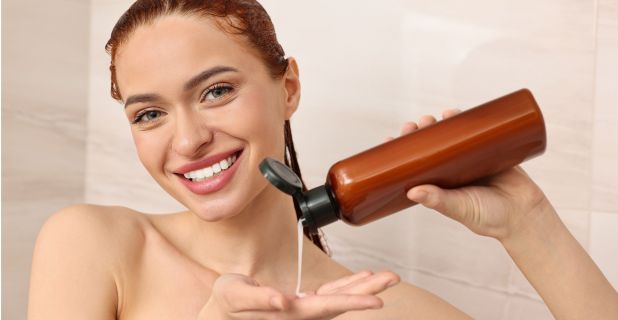
There are pretty clear signs that your problem is a lack of hydration , not proper nutrition. If your hair looks dull, frizzes easily in humid conditions, feels rough to the touch but isn't actually broken, or if you have fine hair that gets weighed down easily after washing, your hair is crying out for water.
In these cases, the goal is simple: to restore elasticity and lightness without burdening the hair fiber with more weight than it needs. A well-formulated moisturizing shampoo does just that; it replenishes lost moisture without leaving a feeling of heaviness or excess.
If your hair has split ends , is bleached or dyed , if you use a straightener or blow dryer almost daily, or if you have very dry curls that seem to absorb any product without ever becoming truly hydrated, then the problem isn't water. It's nutrition .
The goal changes completely: to rebuild the hair fiber from within, restoring the molecular weight lost through chemical processes or heat, and returning the softness that damaged hair no longer possesses on its own. A nourishing shampoo works differently; it doesn't aim to hydrate, but rather to seal and repair.
This is the most common question, and the answer is yes, they can be combined; you don't have to marry just one forever.
A trick often used by experts is to wash the roots with a moisturizing shampoo and reserve the nourishing mask for the ends, which are usually the most damaged area. You can also alternate depending on the time of year (hair needs more hydration in summer due to sun and chlorine) or how recent your last dye or chemical treatment was.
Listen to what your hair is asking for at any given moment, instead of sticking to a single product out of habit.
If you want to go a little beyond the basics, there are specific assets worth knowing about, depending on what you're looking for.
For fine hair lacking elasticity, hyaluronic acid is one of the best options because it retains water within the hair fiber without adding any weight. Aloe vera and panthenol (or provitamin B5) work similarly, soothing a sensitive scalp while providing flexibility and a natural shine.
For deep nourishment, shea butter and argan oil remain the undisputed kings; they provide precisely the lipids that dry or damaged hair has lost, seal the cuticle, and eliminate stubborn frizz. Ceramides and silk or keratin- like proteins go a step further: they rebuild the internal structure of processed or bleached hair, preventing breakage during styling.
And if you have that tricky combination of oily roots with dry ends, green tea extract along with jojoba oil is usually the perfect balance because it purifies the roots without over-drying the ends.
Once you know how to distinguish your hair's needs, now comes the part that almost no one does well: applying shampoo correctly, because a good product applied incorrectly is only half as effective.
If your hair is dull, frizzy, or weighed down, but not broken, it needs hydration. If it has split ends, has recently been dyed, or is straightened daily, it needs nourishment. And if you're unsure, try alternating between roots and ends for a couple of weeks; your hair will tell you.
Now you know exactly what to ask for in your next shampoo , without being swayed by the packaging or what's fashionable.
Just register and we'll send you a welcome email with the bonus.







 Perfume
 Beauty Corner
 Univers
 Univers







 Commitment to
 Mothers
 Sun creams
 Sunglasses
 Beauty
 SUNGLASSES