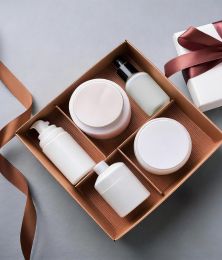
 Gift
Gift 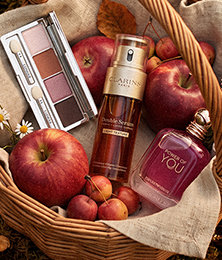 Autumn
 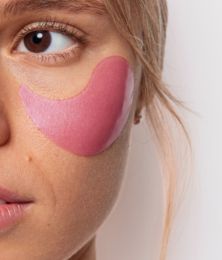 Beauty Corner
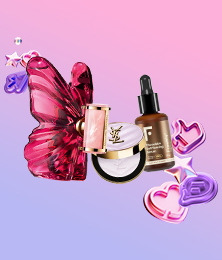 Viral
Viral 









OUR UNIVERSES
Enjoy and explore the themed experiences created for those who are looking for something more
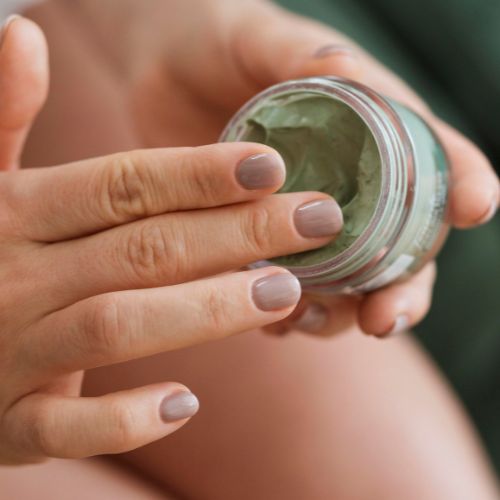
Cruelty-free cosmetics have become one of the most frequent searches among those who want to take care of their beauty without compromising their values. But what does it really mean for a product to be cruelty-free? How can you tell if a brand is truly ethical and not just pretending to be?
In this post we explain what cruelty-free cosmetics are, why they are important, and give you a clear and simple guide to identify responsible brands, without falling for confusing messages or misleading labels.
Cruelty-free cosmetics are those that are not tested on animals at any stage of their development. This includes both the final product and its ingredients. In other words, neither the brand nor its suppliers have conducted animal testing to ensure the cosmetic's safety. 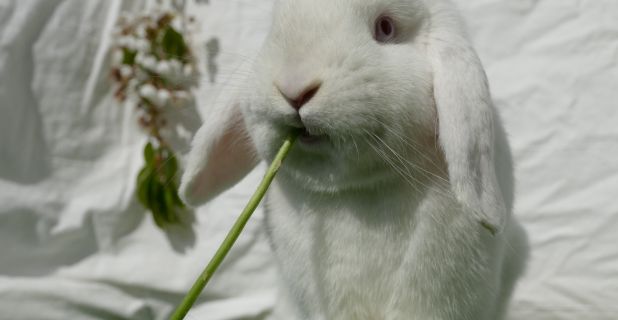
Choosing cruelty-free products doesn't mean sacrificing effectiveness or innovation. Today, alternative testing methods, such as in vitro tests or studies with volunteers, allow for the creation of safe and advanced products without harming animals.
One of the most common mistakes is thinking that cruelty-free and vegan are synonyms. Although they are related, they don't mean the same thing:
- A cruelty-free product has not been tested on animals, but may contain ingredients of animal origin such as honey, beeswax or lanolin.
- A vegan cosmetic does not contain ingredients of animal origin, but that alone does not guarantee that it has not been tested on animals.
Ideally, if you're looking for a completely ethical option, you should choose products that are cruelty-free and vegan, but the important thing is to know how to read the information carefully.
Choosing cruelty-free cosmetics is a more conscious way to consume. It's not just about beauty, but about responsibility. By choosing brands that don't test on animals:
In addition, many cruelty-free brands are also committed to more careful formulas, sustainable processes, and transparency.
Cruelty-free labels are the quickest and most reliable way to identify ethical products. Some of the most recognized are:
These logos indicate that the brand has passed external controls and meets clear criteria.
Phrases like “not tested on animals” can be misleading if they aren't backed by certification. Ideally, you should check that the brand clearly states that neither the product nor its ingredients have ever been tested on animals.
Some brands use ethical messaging as a selling point without fully adhering to it. For example, they might not test the final product themselves, but they do test the ingredients through third parties. That's why it's important to look beyond the packaging.
Some countries require animal testing for certain cosmetic products. Many truly cruelty-free brands avoid selling in these markets to maintain their ethical commitment.
Yes. The effectiveness of a cosmetic product does not depend on animal testing, but rather on the quality of its ingredients, its formulation, and the clinical studies conducted. Today's cruelty-free cosmetics offer results comparable to (and in many cases superior to) those of traditional cosmetics.
Choosing cruelty-free cosmetics is a personal decision that goes beyond beauty. It's a way to care for your skin without compromising your principles, supporting a more ethical, transparent, and respectful industry, and contributing to a future where beauty doesn't involve suffering.





 Perfume
 Beauty Corner
 Univers
 Univers




 Commitment to
 Mothers
 Sun creams
 Sunglasses
 Beauty
 SUNGLASSES