 Gift
Gift  Autumn
  Beauty Corner
 Viral
Viral 













OUR UNIVERSES
Enjoy and explore the themed experiences created for those who are looking for something more
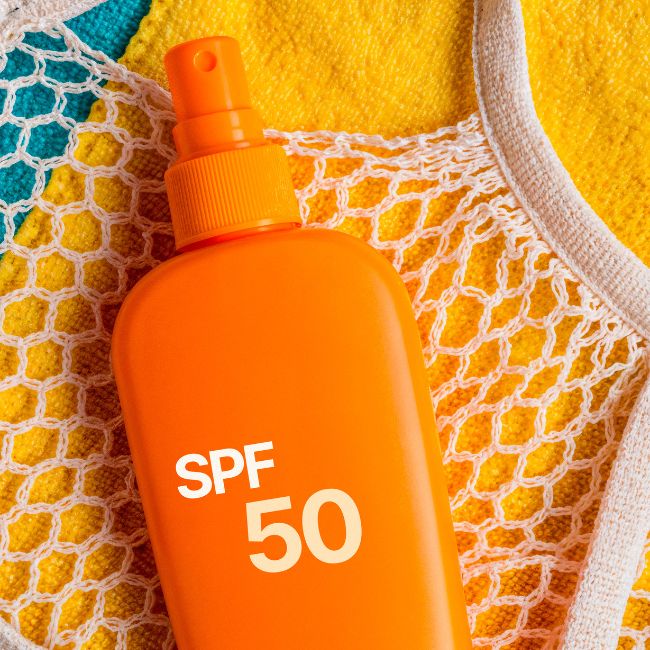
You might already have sunscreen at home. You use it in the summer, on vacation, or whenever you remember you "should" apply it. But a very common question arises: is it really the one your skin needs?
Not all sunscreens offer the same protection, nor do they work the same for everyone's skin. Choosing the wrong one can affect not only your tan, but also aging, dark spots, and skin sensitivity.
Because protecting your skin isn't just about using sunscreen, but about knowing how to choose the right one for you.
Ultraviolet (UV) radiation is one of the main factors affecting the health and appearance of the skin. However, not all UV radiation acts in the same way, and understanding its effects is key to protecting yourself properly.
It is quieter and deeper. It penetrates to the dermis, destroying the supporting fibers and accelerating premature aging (wrinkles and sagging).
It is responsible for sunburn and immediate redness. It acts on the surface.
They are becoming increasingly important. They come not only from the sun, but also from mobile phone and computer screens. Even if you don't feel them, they generate oxidative stress that constantly degrades collagen.
The cumulative and unprotected exposure to this cocktail of radiation results in outcomes we all want to avoid: localized spots, loss of elasticity, and invisible, cumulative cell damage that manifests over time.
This is where sunscreen becomes your best beauty ally. A good product should, above all, be broad-spectrum (UVA + UVB protection). But if you also want complete protection, look for formulas enriched with antioxidants , which neutralize the damage caused by infrared radiation and ambient light, strengthening your skin's barrier against the effects of modern life.

The sun protection factor (SPF) indicates the level of protection against UVB rays, which are responsible for sunburn. But this raises one of the most frequent questions when choosing sunscreen : is it better to use SPF 30 or SPF 50?
The answer lies in their strengths. SPF 30 blocks approximately 97% of UVB radiation, while SPF 50 reaches around 98%. Although the difference may seem minimal, that small additional percentage can make a difference, especially for sensitive, fair, or blemish-prone skin.
So, which SPF should you choose based on your situation?
Beyond the number, there's a key factor that's often overlooked: reapplying sunscreen . To maintain its effectiveness, it's essential to reapply it every two hours, especially if you're sweating, in contact with water, or have prolonged sun exposure.
This is where you really make a difference. It's not just about protecting, but about doing it right for your skin.
Opt for lightweight, oil-free, or matte textures. This will prevent shine and clogged pores.
Look for formulas with moisturizing actives such as hyaluronic acid or glycerin.
Mineral filters are generally better tolerated, as they act as a physical barrier.
Prioritize SPF 50 and formulas with depigmenting or antioxidant active ingredients.
Beauty tip: Choosing the right product not only protects, but also visibly improves the condition of your skin.
When choosing sunscreen, SPF isn't the only factor. The type of filter used in the formula also influences how it works on the skin, its texture, and how well it's tolerated. That's why another common question is: chemical or mineral filters?
Chemical sunscreens absorb UV radiation and transform it into heat. They are characterized by their lighter textures and invisible finish on the skin, making them a very convenient option for daily use. They are generally more suitable for normal, combination, or oily skin, especially if you are looking for a sunscreen that easily integrates into your routine and works well under makeup.
Mineral sunscreens , also known as physical sunscreens, act like a mirror, reflecting radiation. They are notable for their high tolerance, making them especially recommended for sensitive or reactive skin. They are also a good option after dermatological treatments, such as peels or laser treatments, or in cases where the skin tends to become easily irritated.
In conclusion, there is no single best filter, but rather one that is more suitable for you based on your skin type , lifestyle, and needs.
Choosing well is only half the job. The other half is knowing how to use it correctly.
Remember that consistency is what truly protects your skin.
Choosing a good sunscreen isn't about having more products, but about better understanding what your skin needs.
When you understand how radiation works, which SPF to choose, and which texture suits you best, sun protection stops being a one-off thing and becomes a smart habit. And that's where everything changes: your skin is not only protected, but it also stays more even-toned, healthier, and visibly better cared for over time.
Because protecting your skin today is, in reality, the most effective way to care for it tomorrow.
Just register and we'll send you a welcome email with the bonus.







 Perfume
 Beauty Corner
 Univers
 Univers








 Commitment to
 Mothers
 Sun creams
 Sunglasses
 Beauty
 SUNGLASSES