 Gift
Gift  Autumn
  Beauty Corner
 Viral
Viral 













OUR UNIVERSES
Enjoy and explore the themed experiences created for those who are looking for something more
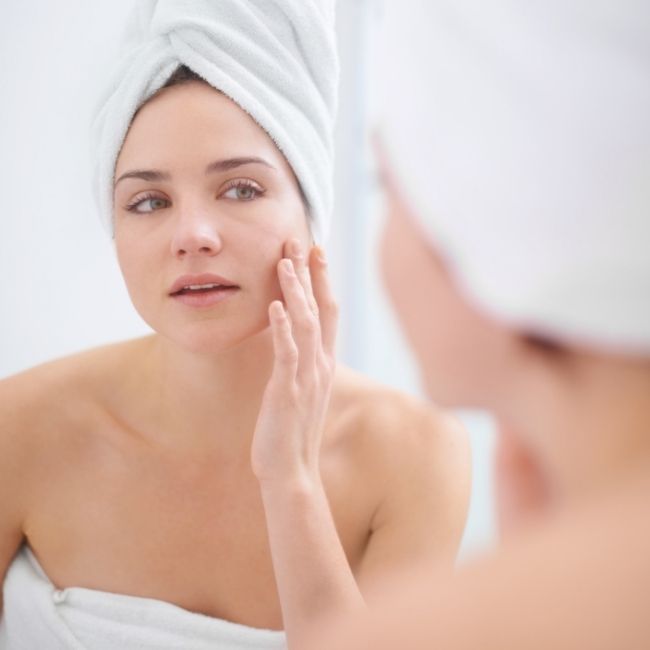
If you have cosmetic products that used to work wonders, but no longer do: this article has the answers to all your questions…
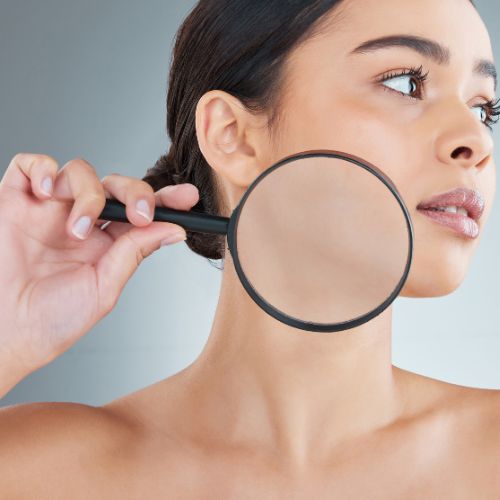
Having a row of bottles in your bathroom drawer that no longer deliver the same benefits is more common than you might think. You know you haven't changed the product, that you apply it the same way, but it just doesn't work the same way anymore. This isn't your fault, and it certainly doesn't mean you're doing anything wrong: skin is a living organ, and like everything else, it changes.
What works wonderfully for you today may not be enough in a few months. This "stagnation" is usually due to hormonal changes , seasonal climate variations, or simply the deterioration of the active ingredients over time and with exposure to air and light.
You've probably heard someone say, "Your skin has gotten used to the product." It might sound logical, almost biological, but that's not how skin works.
Skin cells don't develop immunity to a cosmetic active ingredient like they would to an antibiotic; what actually happens is known as the plateau effect . An ingredient like hyaluronic acid or niacinamide does its job, your skin reaches a healthy equilibrium, and from then on, it simply maintains it. The feeling that "it's not doing anything anymore" is, paradoxically, a sign that it did work at one point. The problem isn't that the product has stopped working, but rather that you and your skin have changed since you started using it.
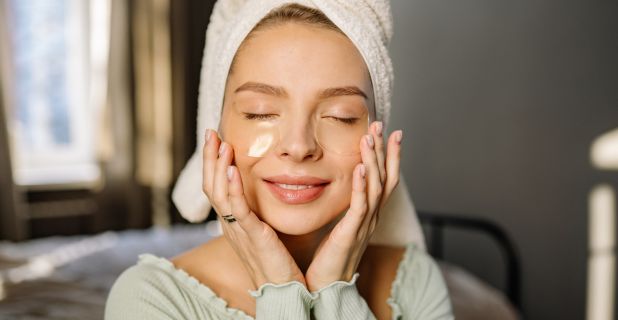
When a routine that used to work stops feeling effective, there's almost always something behind it that has nothing to do with the product itself. In most cases, the explanation lies in our own biological processes : age, a period of sustained stress, the menstrual cycle, or any hormonal fluctuation can alter sebum production, sensitivity, or the skin's ability to regenerate from one month to the next.
Added to this is the environment: environmental factors such as the changing seasons completely alter what your skin needs. In colder weather, some skin types require more nourishing formulas, while in warmer months a lighter texture might be more comfortable. And let's not forget another factor that almost no one considers: silent expiration . Active ingredients like retinol and vitamin C are particularly unstable and oxidize when exposed to air and light. If the product has been improperly sealed or exposed to high temperatures, it can lose stability.
Expert tip : If you suspect your active ingredients have lost potency due to oxidation, it's time to renew your beauty kit with highly stable formulas that guarantee their effectiveness down to the last drop.
Sometimes the problem lies in how we use the products. Adding more active ingredients doesn't necessarily mean better results.
For example, using exfoliating acids and retinoids in the same routine can be too irritating, especially if you have sensitive skin. It's also important to respect the order of application and generally start with the lightest textures.
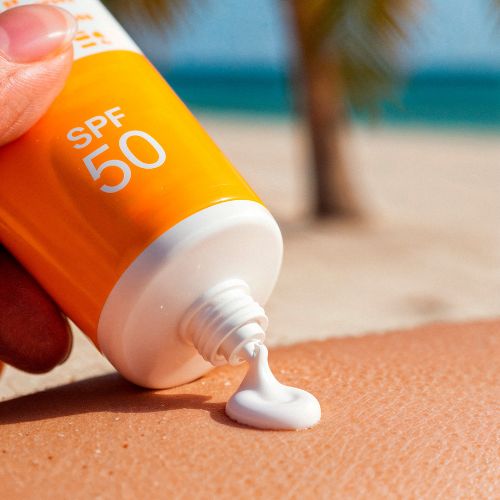
And one essential we shouldn't forget: sun protection . A complete routine is of little use if we don't protect our skin from UV radiation during the day.
When skin is overloaded, sometimes the solution isn't to add more steps, but to remove them. This is the idea behind skin fasting ; a deliberate break of 5 to 7 days in which the routine is reduced to the essentials.
During this time, the skin receives only three basic treatments: gentle cleansing that doesn't disrupt its balance, simple hydration without harsh ingredients, and daily sun protection. This fast gives the face the opportunity to repair its skin barrier without external interference. It's not about abandoning skincare, but about clearing the way so you can see clearly what your skin truly needs, without the noise of ten products working simultaneously.
After the rest period, the return to routine should be gradual in order to assess the skin's response:
How long should I wait to find out if a new product works?
It is reasonable to allow a margin of between 4 and 6 weeks, which is the time that the skin usually needs to complete its cell renewal cycle and show visible results.
Should I change my entire routine all at once?
It's not the best approach. A drastic, simultaneous change can disrupt the skin's pH and cause the very type of sensitivity you're trying to avoid; gradual adjustments work better.
Your skin changes, and your skincare routine can too. If your usual products no longer give you the same results, it doesn't necessarily mean you have to start from scratch.
Identify your skin's current needs, simplify your routine if you notice it's overloaded, and gradually reintroduce active ingredients. And if, after adjusting, pausing, and trying again, your skin still doesn't respond or problems persist, consulting a dermatologist is always the safest and most reliable course of action.
Just register and we'll send you a welcome email with the bonus.







 Perfume
 Beauty Corner
 Univers
 Univers







 Commitment to
 Mothers
 Sun creams
 Sunglasses
 Beauty
 SUNGLASSES