 Travel
  Universe
  Beauty Corner
 Viral
Viral 












OUR UNIVERSES
Enjoy and explore the themed experiences created for those who are looking for something more
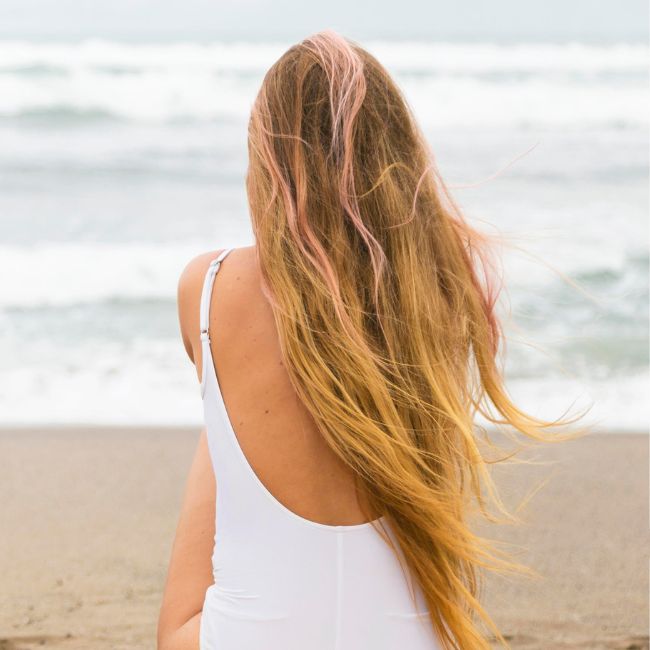
Have you ever noticed that after a few days in the sun, your hair just doesn't feel the same? It loses its shine, becomes rough, harder to style… even the color seems to fade. And no, it's not just your imagination.
Just as you protect your skin with sunscreen , your hair is also affected by sun exposure , even if we don't always notice it immediately. The sun, chlorine, and salt can alter its texture, shine, and behavior, making it feel different than before.
The good news is that you don't need to complicate things or change your entire routine. With a few key habits and the right products, you can enjoy the sun without sacrificing healthy, soft, and beautiful hair.
Hair doesn't burn like skin, but it does suffer structural damage. UV radiation directly affects the hair fiber, weakening keratin, its main component.
This impact translates into a progressive loss of hydration, the appearance of split ends, changes in color—especially in dyed hair —and increased fragility that makes it more prone to breakage. Furthermore, the scalp can also be affected, particularly in areas with less hair density or where you have a defined part, making it more sensitive to sun exposure.
Therefore, protecting your hair from the sun is not just an aesthetic issue, but also a matter of hair health.

Often we're not aware of the damage at the time, but only when we start to notice that our hair no longer responds the same way as before. There are subtle signs that indicate sun exposure is taking its toll:
If you recognize several of these signs, it's time to strengthen your hair care routine, especially during periods of greater sun exposure.
Not all hair reacts the same way to the sun. Understanding yours is key to protecting it better.
It is the most vulnerable. The sun accelerates the oxidation of the color, making it look dull or change tone.
It tends to dehydrate even more, becoming brittle and lifeless.
It loses volume and becomes more fragile, with a tendency to break.
Although it is usually more resistant, it also needs extra hydration, as it tends to dry out easily.
Adapting the protection to your hair type makes a big difference in the results.
This is where the real key lies. It's not about making big changes, but about incorporating small habits that help reduce the impact of the sun on hair fibers.
However, beyond these habits, there is one point that marks a before and after in hair protection: the use of specific products that act as a shield against solar radiation.
Hair sunscreens are products designed to create a barrier against UV rays, preventing them from damaging the hair fiber.
They are usually presented in light formats such as sprays , oils or mists , which allows them to be applied easily without weighing down the hair or reducing its movement.
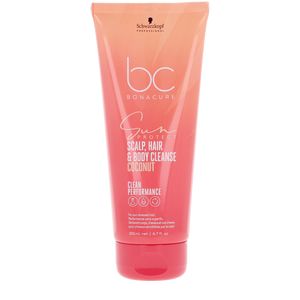
When choosing a shampoo, it's important to make sure it includes UV filters in its formula, as these are responsible for protecting against solar radiation. It's also advisable to opt for moisturizing ingredients , such as natural oils , which help compensate for the moisture loss caused by the sun. If you have fine hair, it's best to choose lightweight textures that won't weigh it down; while if your hair is dry or damaged, it will benefit from richer , more nourishing formulas that provide extra care.
Applying them before and during sun exposure is key to keeping hair protected and in good condition.
Repair is just as important as protection. After sun exposure, your hair needs to regain moisture and nutrients.
A basic routine should include:
This step helps restore softness, shine, and manageability to the hair.
For months you take meticulous care of your hair: you choose your products carefully, maintain the color, invest in treatments, and pay attention to every detail. But then summer arrives, routines change, and almost without realizing it, hair protection ceases to be a priority.
It's one of the most common mistakes. Neglecting the hair fiber to protect it from radiation and constant dehydration can undo all your hard work in just a few days. The result is usually visible: the color loses its original tone, the ends weaken, and the texture changes, becoming rougher and more difficult to manage.
Therefore, protecting your hair in summer isn't just a one-off thing, but an essential part of its care. It's what makes the difference between maintaining healthy hair and having to repair it later.
Ultimately, it's not about doing more, but about not neglecting what's important at the crucial moment. Because beautiful hair doesn't begin when you repair it, but when you decide to protect it in time.
Just register and we'll send you a welcome email with the bonus.



 Perfume
 Beauty Corner
 Your essentials
 Your essentials
 Special
 SUNGLASSES








 Commitment to