 Gift
Gift  Autumn
  Beauty Corner
 Viral
Viral 













OUR UNIVERSES
Enjoy and explore the themed experiences created for those who are looking for something more
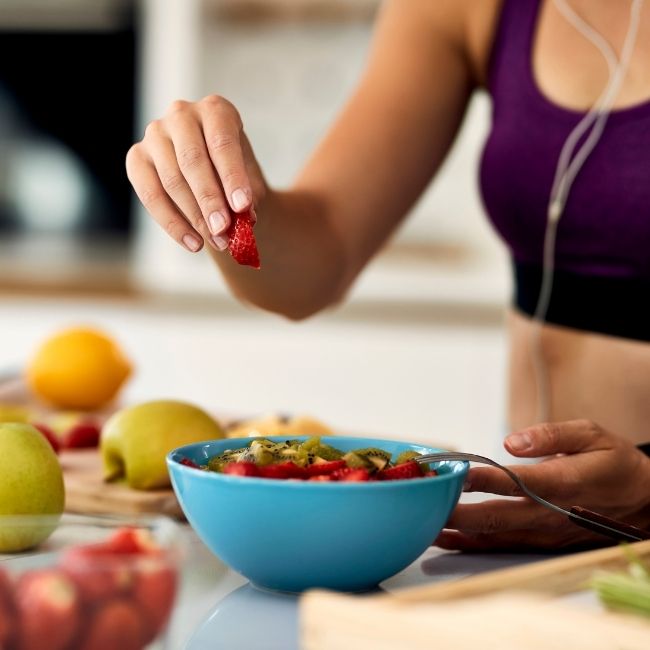
You eat well, try to get enough rest, and take care of your body, but there are still times when you notice less energy, slower recovery, or greater sensitivity to seasonal changes. In these cases, many experts agree on the importance of bioactive compounds found in plant-based foods, and one of the most studied is quercetin .
This natural flavonoid stands out for its antioxidant and anti-inflammatory properties, which is why it has sparked growing interest in the fields of nutrition, supplementation, and skin care.
Quercetin is a flavonoid , a type of plant compound naturally present in many fruits, vegetables, and plants. It is one of the antioxidants that plants produce to protect themselves against environmental factors, and incorporating it into our diet can also provide health benefits.
It occurs naturally in everyday foods such as red onions, apples with skin, broccoli, grapes, green tea, blueberries, and capers. Thanks to this widespread presence in nature, quercetin is part of many people's regular diets, although it often goes unnoticed.
What has sparked scientific interest is its ability to mitigate processes related to oxidative stress, inflammation, and the immune response, making it one of the most studied flavonoids in recent decades.
One of the body's greatest enemies is free radicals , unstable molecules that damage DNA, proteins, and tissues, accelerating aging and contributing to the development of chronic diseases. Quercetin neutralizes these free radicals before they cause damage, acting as a true cellular shield .
If you're over 30 and starting to notice small signs of fatigue, less radiant skin, or slower recovery, this antioxidant effect can make a real difference.
Quercetin is especially interesting for those who suffer from joint pain or recurring respiratory conditions .
Furthermore, it acts as a mast cell stabilizer , the cells that release histamine when the body comes into contact with allergens such as pollen. This is why it has become a very popular aid for people with allergic rhinitis or seasonal allergies: it helps to reduce itching, sneezing, and congestion naturally.
And it doesn't stop there: thanks to its immunomodulatory properties, it strengthens the body's defenses during times of greater vulnerability, such as the change of season or the cold months.
Cardiovascular health is another area where quercetin has sparked scientific interest. Among its main benefits are:
These effects make quercetin an interesting supplement within a routine focused on cardiovascular care, always as support for a balanced diet and under medical supervision if there are underlying pathologies.
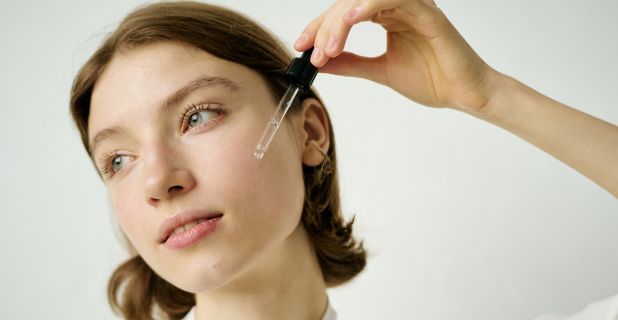
Its antioxidant and anti-inflammatory properties don't just work from within. In cosmetics, quercetin is an ingredient found in anti-aging creams and serums because it protects the skin from environmental damage , especially UV radiation and pollution , and promotes cell regeneration .
If you see this active ingredient in the list of ingredients of your serum or face cream, you know you're looking at a product that works to keep your skin firmer, more even-toned, and more resistant to external aggressors. It combines very well with vitamin C , niacinamide , or resveratrol , and is suitable for sensitive skin thanks to its calming effect.
The simplest way is through your diet: in foods like red onions , capers , apples with the peel , grapes , berries , broccoli , kale , and green tea . If you consume any of these foods, you're already incorporating quercetin naturally.
If you choose to take quercetin supplements, the usual dose ranges from 250 to 1000 mg daily. To improve absorption, always take it with food and, if possible, in combination with vitamin C. Before starting any supplementation, consult your doctor or pharmacist, especially if you are taking blood thinners, blood pressure medication, or immunosuppressants. Its use is not recommended during pregnancy or breastfeeding without professional supervision.
Quercetin has been present in our diet for decades without us paying much attention to it, but science is increasingly confirming what nature intuitively told us: colorful plant foods are an extraordinary source of health.
If your body is craving more energy, stronger defenses, more resilient skin, or simply natural support against everyday inflammation, this antioxidant flavonoid might be exactly what you're looking for. Not as a magic bullet, but as that discreet ally that works quietly to make you feel better inside and out. And in the end, it shows.
Just register and we'll send you a welcome email with the bonus.




 Perfume
 Beauty Corner
 Univers
 Univers





 Commitment to
 Mothers
 Sun creams
 Sunglasses
 Beauty
 SUNGLASSES