 Gift
Gift  Autumn
  Beauty Corner
 Viral
Viral 










OUR UNIVERSES
Enjoy and explore the themed experiences created for those who are looking for something more
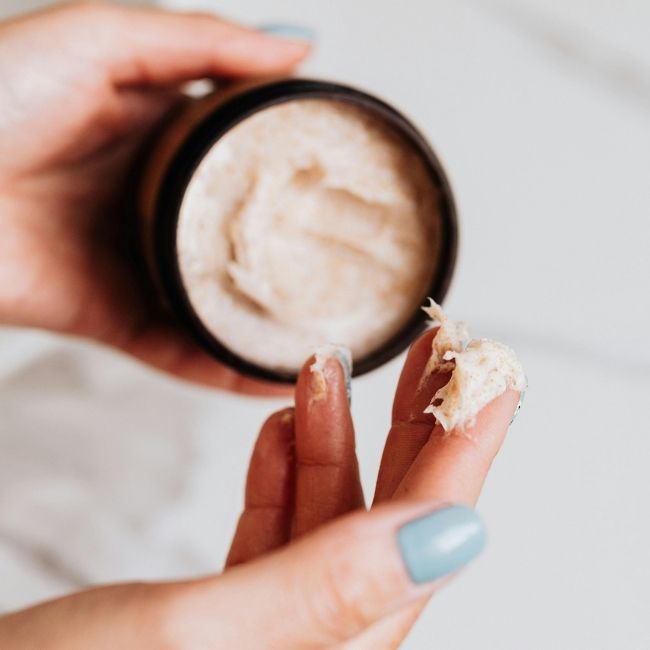
Cracked elbows, peeling legs, or that uncomfortable tightness right after showering: it all sounds familiar. You apply your usual cream, and two hours later your skin is already crying out for help again. Shea butter isn't just another ingredient on the label; it's the intensive rescue that kicks in when light lotions just aren't enough.
Extracted from shea nuts, this rich, almost buttery oil melts upon contact with body heat. If you're looking for soft, supple skin with a velvety feel, discover how to easily incorporate it into your routine.
There are areas of the body that suffer more than usual. Joints, heels, and hands are exposed all day to friction, cold, and frequent washing, and this ends up wearing down their natural protective barrier.
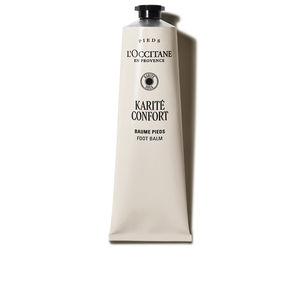
When you apply shea butter to these areas, it works almost like a protective shield. On cracked heels and feet, it softens hard skin and helps seal those pesky little cracks. On elbows and knees, it restores some elasticity to rough skin or those whitish patches typical of dryness. And on hands and cuticles, it creates a protective layer that withstands daily wear and tear without you having to constantly reapply the cream.
A trick that works really well: if your feet or hands are particularly chapped, apply a generous layer of lotion before bed and cover them with cotton socks or gloves. You'll notice your skin feels completely different when you wake up.
One of the biggest fears about pure body butter is that it will take forever to absorb. The key is in the timing: apply it right after showering, when your skin still has some moisture.
When the water remaining on your skin mixes with the lipids in the shea butter, two good things happen at once. The texture becomes much more fluid and spreads effortlessly over your arms and legs. Instead of letting that water evaporate (which is precisely what increases the feeling of tightness), the shea butter traps it in the skin and seals it in.
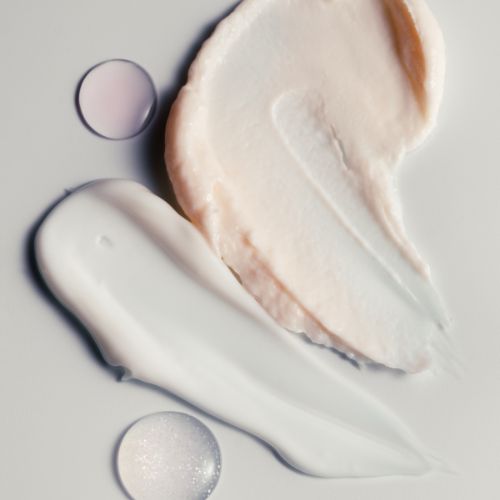
Which one to choose? The answer lies in your daily habits and your skin's needs. 100% pure shea butter is ideal for very dry areas, cracks, chafing, or for that more intensive nighttime care we mentioned earlier. Its texture is rich, creamy, and very nourishing, so a little goes a long way.
Creams or lotions with shea butter as the main ingredient, on the other hand, are designed for daily use all over the body. They absorb quickly, have a lighter feel, and are perfect for busy mornings.
If your skin is extremely dry or sensitive, you'll almost always notice better results with the pure version, and even better if it's without added perfume.
You don't need a half-hour routine to see results. This is all you need:
Two minutes, that's all, and your skin is cared for for the rest of the day.
The secret to its effectiveness lies in its affinity with our own skin. Shea butter is composed primarily of fatty acids such as oleic , stearic , and linoleic acids, which are very similar to the lipids naturally present in your skin. That's why it doesn't just stay on the surface: it truly integrates into the skin barrier.
In addition, it contains vitamins A and E , two antioxidants that help soothe redness and leave the skin with a more even appearance. This is also one of the reasons why it is so well tolerated by sensitive or easily irritated skin , much better than other creams with heavier perfumes or more active ingredients.
The extraction process significantly changes the potency of shea butter, so it's worth paying attention to a few details before buying it.
The color and texture offer a first clue: the raw or unrefined version usually has an ivory, slightly yellowish hue, and if it's snow-white, it has most likely undergone a refining process that diminishes its properties. The smell also helps distinguish it, because a mild, nutty aroma is usually a sign of purity, while a very strong, artificial fragrance almost always means that synthetic perfumes have been added.
Another key point is the ingredient list : the shorter, the better, since truly pure butter doesn't need preservatives or additives to do its job. And as for origin, those from West Africa , especially Ghana or Burkina Faso , tend to be of the highest quality, because that's the region where the butter tree is traditionally cultivated.
Tip: If you have reactive skin, go straight for the raw version without added fragrance.
Caring for dry skin doesn't have to be a never-ending routine or an added complication. With something as simple as shea butter and a couple of minutes a day, stubborn areas like elbows, heels, and hands can lose their roughness and regain that natural softness that's a pleasure to touch.
Just register and we'll send you a welcome email with the bonus.







 Perfume
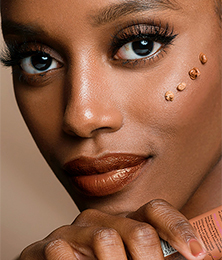 Beauty Corner
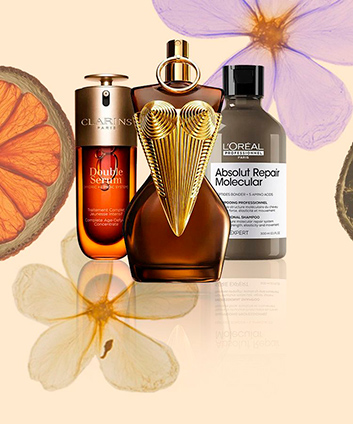 Univers
 Univers







 Commitment to
 Mothers
 Sun creams
 Sunglasses
 Beauty
 SUNGLASSES