 Gift
Gift  Autumn
  Beauty Corner
 Viral
Viral 













OUR UNIVERSES
Enjoy and explore the themed experiences created for those who are looking for something more
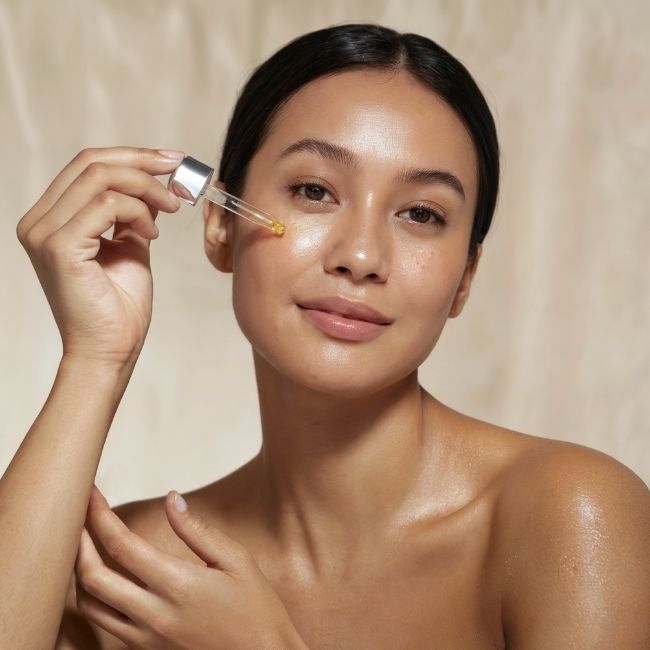
Retinol is one of the most studied active ingredients due to its effectiveness in cosmetics. Continued use improves skin texture, reduces wrinkles, improves acne, and evens skin tone.
Despite its benefits, it is one of the ingredients that is often incorporated incorrectly into the routine, which can generate side effects.

Retinol isn't an ingredient to start with at full strength. The skin needs time to adjust, because high concentrations can cause irritation, redness, and peeling before the product can show results.
The recommended way to introduce retinol is at low concentrations, between 0.1% and 0.3%, and to apply it two or three nights a week for the first month. As the skin adapts, the frequency can be gradually increased. This adaptation process, known as retinization, is normal and necessary.
Results are achieved when the skin receives the treatment properly and consistently.
This is the mistake that most compromises the effectiveness of retinol.
The active ingredient increases the skin's sensitivity to solar radiation, which means that without sunscreen, the benefits of retinol are nullified and the skin is exposed to damage that accelerates aging.
Sunscreen is a must in any routine that includes a retinol cream or serum. Sun protection isn't optional or just for beach days. Your skin needs daily protection while using retinol, regardless of the weather or season.
Retinol is a potent active ingredient and doesn't mix well with all other ingredients. Combining it in the same routine with exfoliating acids (such as AHAs or BHAs) or with vitamin C can cause irritation and negate the effects of both products.
The general rule is simple. Retinol is applied at night, alone, to clean, dry skin. If you use other active ingredients like vitamin C, it's best to leave them for the morning. For more sensitive skin, the "sandwich" technique—applying a thin layer of moisturizer before and after the retinol—helps reduce irritation without compromising effectiveness.
Starting with a low concentration, being consistent, and never skipping sunscreen are the three pillars of a successful retinol routine. Patience in the first few weeks is what determines whether the product delivers results or ends up forgotten in a drawer.
Dry or sensitive skin benefits from formulas that combine retinol with soothing ingredients like niacinamide or hyaluronic acid. This combination helps minimize potential irritation and boost skin hydration without compromising the active ingredient's effectiveness. More resilient skin types can progress to higher concentrations more quickly.
At Perfume's Club you will find serums and creams with retinol of different concentrations, designed for each skin type and each level of adaptation to the active ingredient.
Just register and we'll send you a welcome email with the bonus.







 Perfume
 Beauty Corner
 Univers
 Univers








 Commitment to
 Mothers
 Sun creams
 Sunglasses
 Beauty
 SUNGLASSES