 Gift
Gift  Autumn
  Beauty Corner
 Viral
Viral 













OUR UNIVERSES
Enjoy and explore the themed experiences created for those who are looking for something more
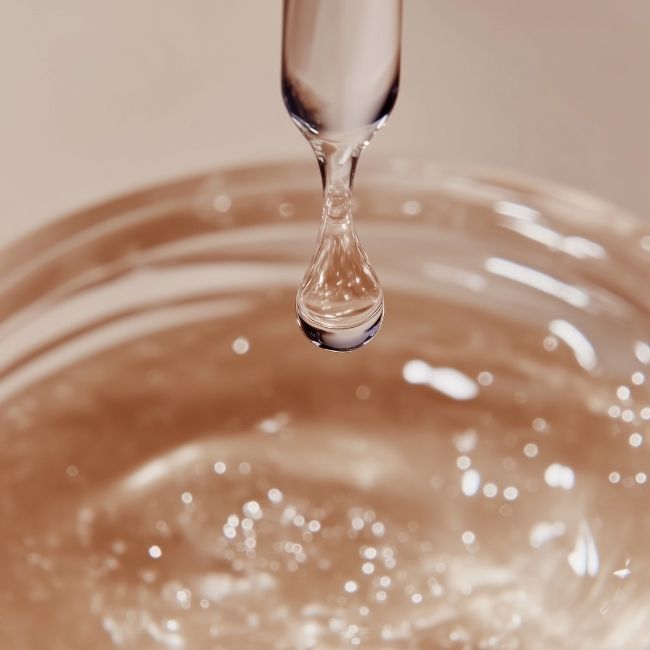
Facial blemishes are alterations in the skin's normal pigmentation. They are usually caused by an excess of melanin, the pigment that gives color to the skin, eyes, and hair. Depending on the cause, there are different types of blemishes and treatment options.
Sun damage, the effects of aging, or a mark left by a pimple cannot all be corrected with the same active ingredient. A good anti-dark spot serum works by slowing down excess pigmentation, but its success depends on choosing the right ingredient.
Not all depigmenting ingredients work the same way. Some act directly on melanin. Others function as exfoliants and accelerate cell renewal to remove dark patches. There are also active ingredients that combine both actions.
When choosing, it's helpful to look at the main active ingredient and its concentration. You should also check its compatibility with the rest of your skincare routine and see if the product has been tested on sensitive skin, as many anti-dark spot ingredients can be harsh.
We recommend starting with simple serums, which are generally easier to tolerate and combine with sunscreen. Sunscreen should always be used when treating dark spots.

At Perfume's Club we have selected the most proven effective depigmenting agents and how each one works.
Among the most common ingredients in anti-dark spot serums are niacinamide (vitamin B3) and vitamin C , two active ingredients widely used in facial cosmetics that can help improve the skin's radiance and overall appearance. Vitamin B3 is present in almost all modern anti-dark spot serums because it is very well tolerated. Although it doesn't directly stop pigment production, it helps prevent it from reaching the visible layers of the skin and also soothes and balances the complexion.
Anti-dark spot serums containing tranexamic acid or azelaic acid are particularly beneficial when the primary concern is uneven skin tone and blemishes. Azelaic acid controls melanin production in affected areas of the face and is ideal for skin prone to redness, breakouts, or uneven texture, as it also helps to eliminate excess oil.
Tranexamic acid is chosen to treat darker spots, acne marks, or those that appear due to hormonal changes.
Some treatments also use retinoids and exfoliating acids (AHAs) such as glycolic or lactic acid to renew the skin's surface and gradually improve its texture and radiance. They don't act directly on the dark spot. They accelerate skin renewal so that pigmented cells are shed more quickly.
On the contrary, the ingredient that acts directly on melanin is thiamidol . It fights spots caused by the sun or age. Viniferine , on the other hand, helps to slow down melanin production and is often found in anti-spot serums for sensitive skin, such as Melasyl , which traps excess melanin before it becomes visible on the skin's surface.
It's advisable to pay attention to how the serum fits into your regular routine. Combining too many products with potent active ingredients can increase the risk of irritation, so a simple and consistent routine is usually a good strategy.
The secret isn't finding the best active ingredient on the market. The result depends on choosing the right ingredient for each type of pigmentation, being consistent, and not forgetting daily sun protection.
If you're unsure which one to choose, check out our catalog of anti-dark spot serums at Perfume's Club according to your skin's needs.
Just register and we'll send you a welcome email with the bonus.







 Perfume
 Beauty Corner
 Univers
 Univers








 Commitment to
 Mothers
 Sun creams
 Sunglasses
 Beauty
 SUNGLASSES