 Gift
Gift  Autumn
  Beauty Corner
 Viral
Viral 













OUR UNIVERSES
Enjoy and explore the themed experiences created for those who are looking for something more
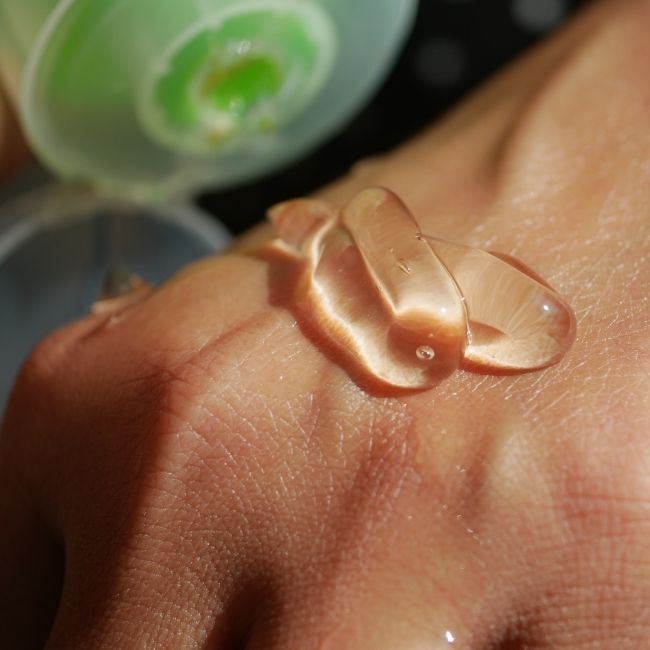
Many people talk about aloe vera and its benefits, but is it really as good as they say?
Some take it for colds, others apply it directly to their skin, and it's even a well-kept secret for some grandmothers. The truth is, it's an ingredient that has been a staple in skincare routines for decades.
Its fame is no accident. This clear, cool gel provides a refreshing texture that has made it one of the most widely used active ingredients in moisturizing products . Furthermore, its high content of vitamins, minerals, and amino acids, among other components, benefits the skin barrier .
Aloe vera is part of various routines and adapts to different needs. If you think it could be helpful for you, the key is understanding what it can actually do, when to use it, and how to choose the most suitable formula.

If your skin feels tight, rough, or lacks well-being, ingredients like aloe vera can help relieve tightness and restore elasticity to the skin.
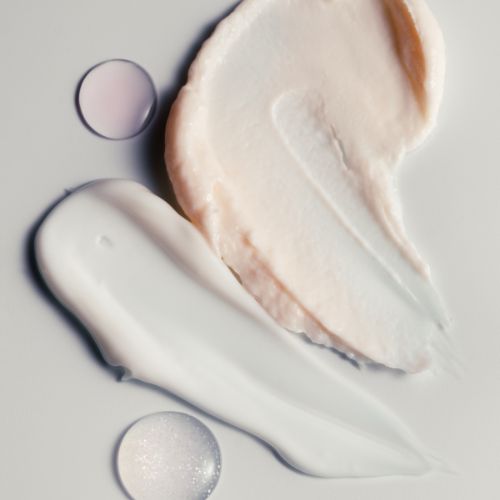
Its high content of vitamins, minerals, and amino acids makes it ideal for cosmetic use. Furthermore, its pleasant, light texture absorbs easily and is especially enjoyable when you're looking to hydrate without feeling heavy. That's why it's commonly found in gels, body creams, masks , and other products designed for daily care.
However, the result will always depend on the complete formula and the needs of each skin type.
We often associate aloe vera with skincare after a day in the sun. Its refreshing properties have made it a staple in summer routines, especially when skin feels hot or uncomfortable after sun exposure .
Note: Just because it's soothing doesn't mean it replaces sunscreen, nor does it repair or reverse cell damage or sunburn . But its calming, moisturizing, and anti-inflammatory properties relieve burning and redness while the skin recovers.
Aloe vera is a very versatile ingredient, but we can't forget that each skin type has different needs. Rather than asking if it's good for all skin types, it's more important to assess whether it suits what our skin needs at any given time.
For dry skin , it works as an ideal complement when you're looking for extra hydration and relief, especially when combined with other moisturizing ingredients. If you have combination skin, its lightweight textures are a delight for hydrating the areas that need it without weighing down the T-zone .
And even if you fear shine if you have oily skin , this skin type also needs water: formulas with aloe provide freshness and lightness within a balanced routine. For sensitive skin , it's often one of the most frequently used ingredients to soothe redness and restore a sense of calm to the face, although tolerance will always depend on the complete composition of the product.
Aloe vera is a very popular ingredient in cosmetics, but not everything said about it is true.
Freshly extracted gel isn't always the best option because it contains a layer of yellowish sap called aloin . This substance is a defense mechanism of the plant that is extremely irritating to the skin and a very strong laxative. Therefore, cosmetic products are formulated to offer a safer and more pleasant application.
It can provide hydration and a pleasant feeling of freshness, but it does not replace specific treatments when the skin needs other types of care.
Although it's generally well-tolerated, everyone's skin is different, and some people may experience sensitivity or irritation. That's why it's important to choose products that are right for your skin type.
Not all skin is the same, and neither are skincare routines. Unlike other active ingredients, aloe vera is so versatile that it integrates effortlessly into any step of your routine.
It can be used during the day because it is not photosensitive . At night, it supports the skin's natural renewal process while you sleep; after showering, it leaves skin feeling soft. If used after sun exposure , it helps refresh the skin and soothe any burning sensation if you've overdone it in the sun, but if included in a facial routine , it's ideal for providing extra hydration with a lightweight texture.
Although aloe vera stands out on its own, many formulas combine it with other active ingredients to create more complete products.
Alongside hyaluronic acid , it forms a combination focused on providing hydration and improving moisture retention. With panthenol , it creates gentle formulas that help care for the skin without overloading it. The blend with centella asiatica is common in products designed for skin seeking calm and well-being, and when combined with glycerin or ceramides , it reinforces hydration and helps keep skin protected for longer.
Aloe vera continues to be one of the most widely used ingredients in cosmetics thanks to its ability to provide freshness, hydration and comfort.
The idea is not to use it because it's trendy, but to choose the right product for the real needs of the skin.
Just register and we'll send you a welcome email with the bonus.







 Perfume
 Beauty Corner
 Univers
 Univers








 Commitment to
 Mothers
 Sun creams
 Sunglasses
 Beauty
 SUNGLASSES