 Travel
  Universe
  Beauty Corner
 Viral
Viral 













OUR UNIVERSES
Enjoy and explore the themed experiences created for those who are looking for something more
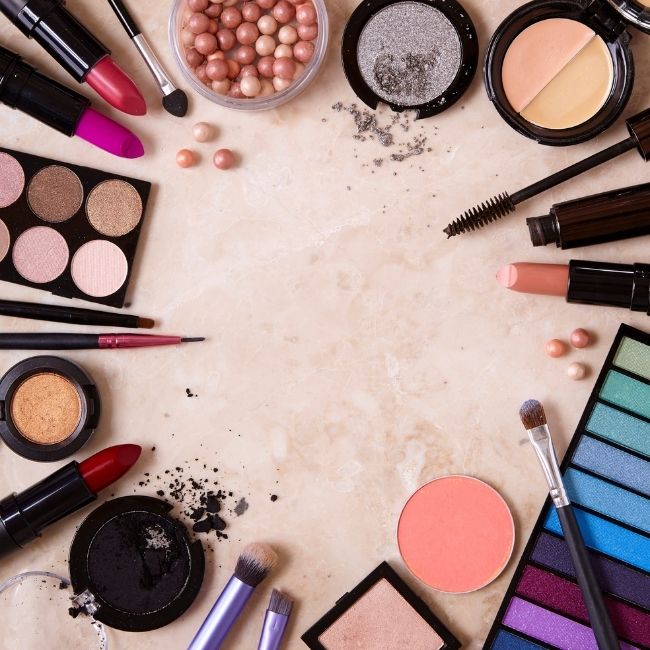
Have you ever put so much effort into your makeup, only to find that after a few hours it seems like all your hard work was for nothing? Fine lines become more pronounced, concealer creases, eyeshadow fades, and even blush disappears… Don't worry, it's more common than you think.
We often think the problem lies in the products, when in reality the order in which we apply them also influences the finish and duration of the makeup.
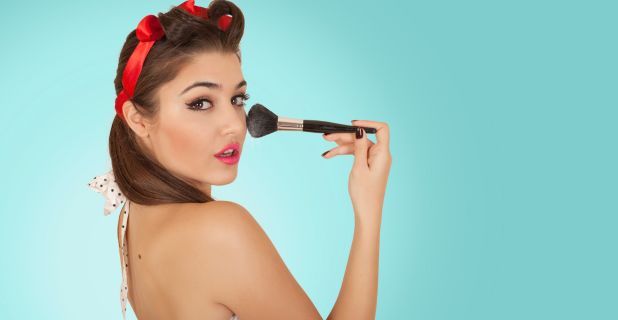
On social media, you'll find many self-proclaimed makeup "experts" with all sorts of theories… The truth is, it's impossible to achieve beautiful makeup if your skin isn't properly prepared. Before even thinking about makeup itself, let's start with basic skincare routines.
The first step in any routine is cleansing your face to remove traces of oil, sweat, or previously applied products. Then, apply a moisturizer suited to your skin type: even oily skin needs it, or it can compensate by producing more sebum.
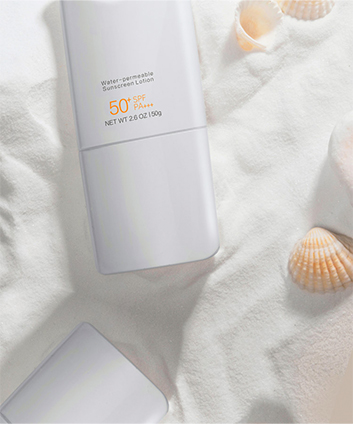
Sunscreen is essential during the day, even if your makeup already contains SPF, because the protection it offers is often insufficient for daily use. Opt for lightweight formulas with sun filters that work perfectly under makeup and help protect your skin without affecting the finish.
Once both have settled, you can apply a primer if you want to prolong the wear, minimize pores, or control shine.
The answer depends on the makeup look you want to achieve. If you're going for a simple eye look with soft tones, you can prep your skin first without any problem. However, if you're going to use dark eyeshadows, a lot of shimmer, or a smokey eye look, many makeup artists prefer to start with the eyes.
This way, if any pigment falls onto your cheeks, you can easily remove it without ruining your foundation or concealer. It's a brilliant backstage trick that will save you a lot of time (and prevent you from having to start all over again with your concealer).
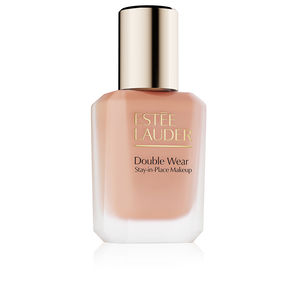
Although for years many people applied concealer before foundation , today the most common recommendation is to do it after.
The foundation already evens out your skin tone, so you'll probably need less concealer to cover dark circles, blemishes, or minor imperfections. Plus, you'll avoid removing the product when applying your foundation.
The exception is color correctors, such as green ones to neutralize redness or peach and orange ones to conceal dark circles. These should be applied before foundation to correct the skin tone before blending.
There is a rule in makeup that is very easy to remember: cream textures first and powder textures later.
Once you've applied your foundation, you can use cream blush , bronzer , or highlighter. Then, apply translucent powder and continue with powder products if you want to intensify the color.
On the other hand, if we apply creamy products over powders, disaster is guaranteed: patches will form, the makeup will crack, and you'll end up with a cakey effect that we want to avoid at all costs.
Translucent powder is applied after you have finished all the cream products.
Its function is to set makeup, control shine, and prolong its wear, especially in the T-zone: forehead, nose, and chin. If you have dry skin, simply apply it only where needed to avoid an overly matte finish.
On special occasions you can also use the baking technique , leaving a larger amount of powder on for a few minutes before removing it, although for everyday use a light seal is usually sufficient.
There's a common misconception that achieving good makeup requires a makeup bag full of brushes of different sizes and bristles. The reality is simpler. While each tool serves a purpose, it's not essential to buy a complete set to get a good result.
For example, a slightly damp sponge often helps to blend foundation evenly and naturally. If you prefer more coverage, a Kabuki brush can be a good option. There are even products that work perfectly when applied with your fingers, as the warmth of your hands helps them melt into the skin.
Rather than accumulating accessories, it's important to know when to use each tool and keep it clean; a dirty brush carries grease and bacteria that affect the finish and the skin.
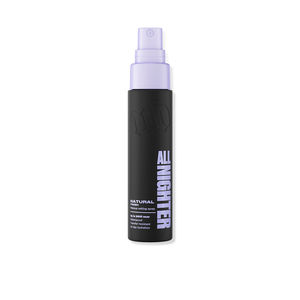
Although most people only use it at the end of their makeup application, some professional makeup artists also spray it between certain steps to improve the longevity of each step.
For example, you can apply a light mist after your foundation and another one after you've finished your makeup. This helps blend the layers of product better and gives a more natural finish.
However, the final application should always be done when the makeup is completely finished to seal it and keep it intact for longer.
The difference is noticeable when you pay attention to the small details: preparing your skin, respecting the time between products, and applying less than you usually use. Knowing the correct order helps each product do its job and ensures a more even result that lasts longer.
From there, each person can adapt the routine to their style, the time they have, or the finish they like best.
Just register and we'll send you a welcome email with the bonus.







 Perfume
 Beauty Corner
 Your essentials
 Your essentials
 Special
 SUNGLASSES









 Commitment to