 Gift
Gift  Autumn
  Beauty Corner
 Viral
Viral 













OUR UNIVERSES
Enjoy and explore the themed experiences created for those who are looking for something more
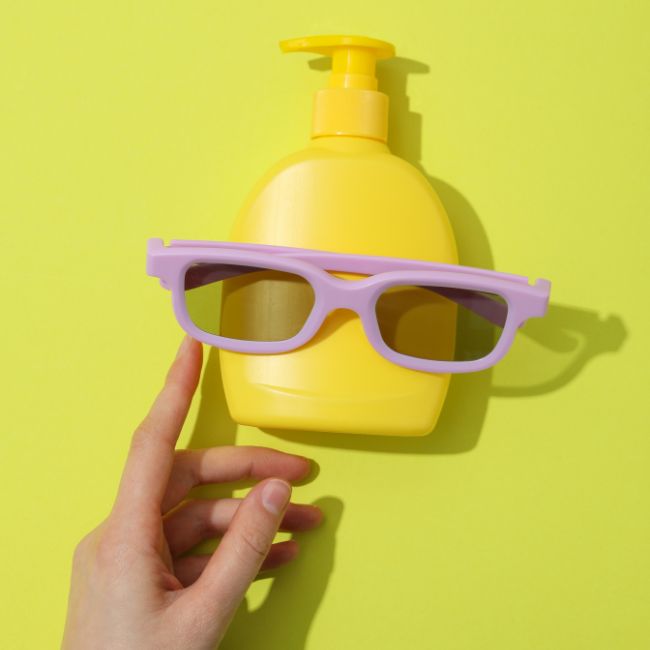
The warmer weather arrives, you take out your summer toiletry bag, and there it is: your child's sunscreen from last year, half-used, with a changed texture and no visible opening date. Do we use it? Do we throw it away? Do we buy another one? And if we buy another one, how do we know which one is the most suitable?
This is the scene thousands of families experience every season. Sun protection for children isn't just about summer or avoiding sunburn. The cumulative sun exposure during childhood can affect the skin for many years afterward, which is why choosing a good sunscreen from a young age is so important.
Children's skin is not a smaller version of adult skin. It is structurally different: thinner, with a less developed skin barrier , a larger surface area relative to body weight, and greater permeability to applied ingredients. All of this makes it significantly more vulnerable to solar radiation and also more sensitive to certain ingredients that cause no problems in adults.
That's why it's not enough to just use the same sunscreen you use on your children. Children's sunscreens usually use gentler ingredients, avoid harsh perfumes or alcohols, and offer textures designed for delicate skin .

One of the most frequent questions among parents is whether SPF 50+ is really necessary or if SPF 30 is sufficient. For children, the answer is clear: SPF 50+ is the recommended standard for minors, both by pediatric dermatologists and European health organizations. Here's why it matters so much:
In addition, an SPF 50+ blocks more than 98% of UVB radiation and offers a higher margin of protection during the summer.
This is perhaps the point that generates the most confusion, and also the most important to understand what you are really buying.
They work by reflecting solar radiation and are often recommended for babies, young children, and sensitive skin. Ingredients such as zinc oxide and titanium dioxide are known for their good tolerability.
They absorb radiation and tend to have lighter, more transparent textures. They work well in older children, although it's advisable to choose pediatric and high-tolerance formulas.
Many of today's best pediatric sunscreens combine both types of filters to achieve the best of each: the safety of physical filters and the lightness of chemical filters.
One of the most common mistakes is thinking that sunscreen lasts all day. Choosing the best sunscreen on the market is useless if it's not applied properly or reapplied frequently enough.
Regarding water resistance : a water-resistant sunscreen maintains its effectiveness for a certain period of time in contact with water, generally between 40 and 80 minutes. After that time, or after towel drying, the protection is considerably reduced.
Regarding reapplication : Even if the sunscreen is long-lasting, it should generally be reapplied every two hours, and always after swimming or sweating heavily. This is especially important for children who are constantly on the move.
Sufficient amount : Another common mistake is applying less than necessary. For the SPF indicated on the packaging to be effective, you must use a generous amount that thoroughly covers all exposed skin, without forgetting areas such as the ears, neck, nape of the neck, the tops of the feet, or the shoulders.
Before six months, the general recommendation is to avoid direct sun exposure and not to apply sunscreens, as a baby's skin is extremely permeable. From six months onwards, sunscreens specifically formulated for babies can be used. From three years of age, sprays, lotions, and mists usually make application much easier.
Some useful tips for its application are:
Not all sunscreens marketed as suitable for children are created equal. Reading the label takes just a minute and can make a big difference, especially if your child has sensitive skin or is prone to reactions. Here are the ingredients to avoid or watch out for in children's sunscreens:
Protecting children's skin from the sun isn't just about summer or aesthetics: it's about health. Most sun damage that appears in adulthood originates from cumulative sun exposure during childhood and adolescence. That's why every decision you make now, from the SPF you choose to how often you reapply, matters.
You don't need the most expensive or the most famous product. You need one with SPF 50+, filters appropriate for your child's age, a clean formula, and a texture they tolerate well. From there, consistency does the rest.
Just register and we'll send you a welcome email with the bonus.







 Perfume
 Beauty Corner
 Univers
 Univers








 Commitment to
 Mothers
 Sun creams
 Sunglasses
 Beauty
 SUNGLASSES