 Gift
Gift  Autumn
  Beauty Corner
 Viral
Viral 













OUR UNIVERSES
Enjoy and explore the themed experiences created for those who are looking for something more
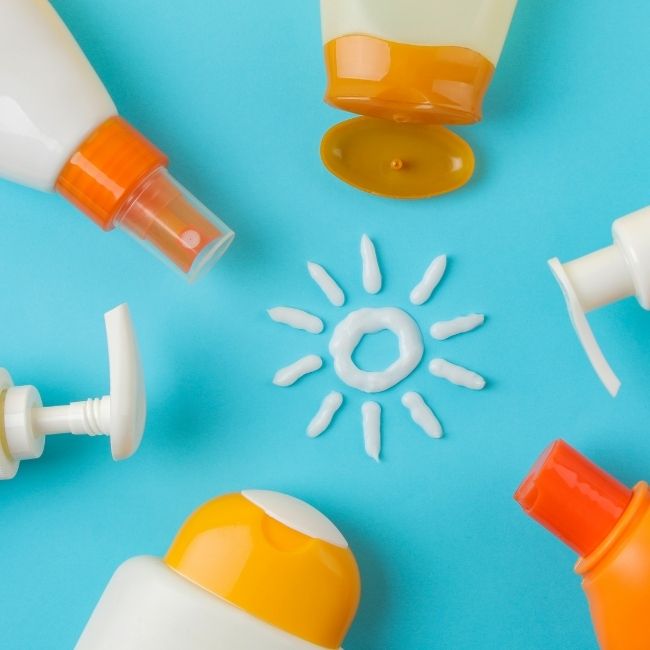
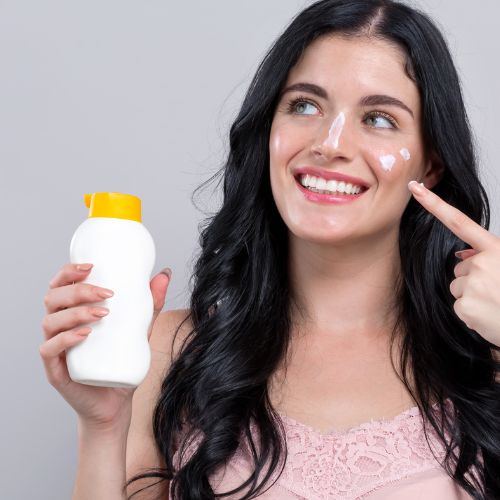
You've been using sunscreen for years, switching brands, trying new textures, and yet something still feels off. Sometimes the product feels too thick, other times it runs with sweat, or it irritates sensitive areas. What if the problem isn't how much you're applying, but what type of sunscreen you're choosing?
The truth is, not all sunscreens work the same, because they don't all work in the same way. The difference between a mineral sunscreen and a chemical sunscreen goes far beyond price or brand: it affects how the product behaves on your skin, when it activates its protection, and what results it delivers depending on your skin type and activity level. Knowing how to distinguish between them completely changes the way you choose a body sunscreen.

Mineral sunscreen , also called physical sunscreen, uses two main active ingredients: zinc oxide and titanium dioxide . Both are naturally occurring minerals that work by creating a physical barrier on the skin's surface. Instead of being absorbed, they remain in the outermost layer and reflect or scatter ultraviolet radiation before it can penetrate.
One of its great advantages is that it works immediately upon application, without any waiting time. Furthermore, it doesn't degrade with heat, making it a particularly durable option during periods of intense sun exposure or physical activity. Due to its ingredient profile, it's also the most recommended choice for sensitive, atopic, or reactive skin , as well as for children and during pregnancy.
Chemical sunscreens use synthetic organic filters such as avobenzone, octinoxate, octocrylene, or oxybenzone. Instead of creating a barrier, these filters absorb photons from UV radiation and convert them into heat, which is then dissipated through the skin.
This mechanism requires the filters to activate correctly, so it's recommended to apply sunscreen 15 to 20 minutes before sun exposure. In contrast, chemical formulas typically offer lighter textures , are easier to apply, and have a less visible finish on the skin, making them convenient for daily use or under swimwear.
Although both mineral and chemical filters offer effective protection against UVA and UVB rays when applied correctly, there are important differences worth knowing.
The most obvious difference is usually in the texture. Mineral sunscreens tend to have creamier formulas and, depending on the composition, can leave a slight white cast on the skin. Chemical sunscreens, on the other hand, are known for their light and invisible finishes, something especially appreciated for daily use.
The way protection begins also changes. Mineral filters work from the moment of application, while chemical filters need a few minutes to reach their optimal effectiveness, so it's best to apply them before sun exposure.
Another important difference is skin tolerance. Mineral formulas are generally recommended for sensitive, reactive, or easily irritated skin. With chemical sunscreens, tolerance will depend on the combination of ingredients and individual skin characteristics.
Finally, many current formulas incorporate advanced technologies that improve the photostability of chemical filters and allow for highly effective, comfortable and pleasant products to be used daily.
Neither the mineral nor the chemical is universally better: each fits better in different contexts.
For outdoor sports, the beach, or water activities, mineral sunscreen is more resistant to water and sweat, doesn't degrade in high temperatures, and offers immediate protection. For everyday use in the city, under makeup, or when you're looking for an invisible, fast-absorbing texture, chemical sunscreen may be more convenient.
For oily or acne-prone skin , oil-free chemical formulas offer more matte finishes; for dry or sensitive skin , minerals with calming actives are the safest option.
And for babies, toddlers and pregnant women, mineral filters are the general recommendation due to their safety profile.
Regardless of the type of sunscreen you choose, one of the most common mistakes is not reapplying it throughout the day. The general recommendation is to reapply it every two hours in direct sunlight and immediately after swimming, sweating, or toweling off.
Mineral sunscreens are somewhat more durable because they don't "wear out" absorbing radiation, but friction from clothing, water, and movement will eventually remove them. Chemical sunscreens, moreover, gradually lose effectiveness due to their own mechanism of action. In both cases, reapplication is essential if you want to maintain real protection throughout the day.
Knowing how to read the ingredient list of a sunscreen helps you make more informed decisions without needing to be a cosmetics expert.
In a mineral sunscreen , you'll look for the terms Titanium Dioxide and Zinc Oxide in the INCI list. In a chemical sunscreen , you'll find names like Avobenzone, Octinoxate (Ethylhexyl Methoxycinnamate), Homosalate, Octocrylene, or Oxybenzone (Benzophenone-3). Many current formulas combine both types of filters to balance effectiveness, texture, and tolerance: in that case, the product is considered a combination sunscreen and can be a practical solution if you're looking for the best of both worlds.
Also pay attention to the circled UVA symbol, which guarantees that protection against UVA rays is at least one third of the SPF indicated on the packaging.
Choosing between mineral and chemical sunscreen is a decision worth making carefully, but it's not the only one. The true effectiveness of any sunscreen depends primarily on applying the right amount—about a tablespoon for the face and neck, and the equivalent of a shot glass for the body—and maintaining protection throughout the entire time you're exposed to the sun.
If you're still unsure which sunscreen is right for you, start by asking yourself two questions: Where will you be using it most, in the city or outdoors? Does your skin tend to get irritated or shiny? With those two answers, you can already eliminate half the options and keep only the ones that make sense for you. Don't gamble with your skin's protection: the best sunscreen isn't the most expensive, but the one that fits your lifestyle and that you use every day without fail. Find your ideal sunscreen today in our selection of body sunscreens and give your skin the personalized protection it deserves.
Just register and we'll send you a welcome email with the bonus.







 Perfume
 Beauty Corner
 Univers
 Univers








 Commitment to
 Mothers
 Sun creams
 Sunglasses
 Beauty
 SUNGLASSES