 Gift
Gift  Autumn
  Beauty Corner
 Viral
Viral 













OUR UNIVERSES
Enjoy and explore the themed experiences created for those who are looking for something more
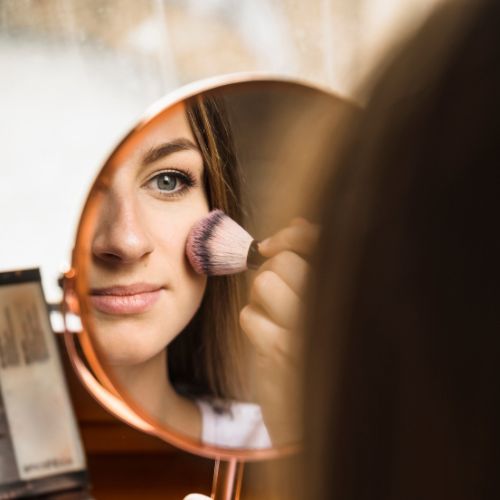
In winter, our skin changes. The light is colder, our face looks duller, and the natural blush of summer seems to disappear. We apply the same blush as always, but the result is no longer the same.
The cold weather can also work in your makeup's favor if you know how to use it. Choosing the right blush for winter can revitalize your face and recreate that healthy glow we associate with a walk outdoors.
The key is to adapt the tone and texture to the season, but also to your skin's undertone . When you get it right, the makeup isn't noticeable: you simply see a fresher, more balanced, and more radiant face, even on the grayest days.
During the colder months, natural light is dimmer and bluer, we spend more time indoors, and our skin tends to look drier or paler. All of this affects how blush looks once applied.
A shade that seemed subtle in summer can fade in winter, while an overly intense color can make features appear harsh. Texture also influences the final result, especially when skin tends to dry out in the cold, and any finish can accentuate this.
That's why the ideal blush for winter balances the lack of light and provides freshness without excess.
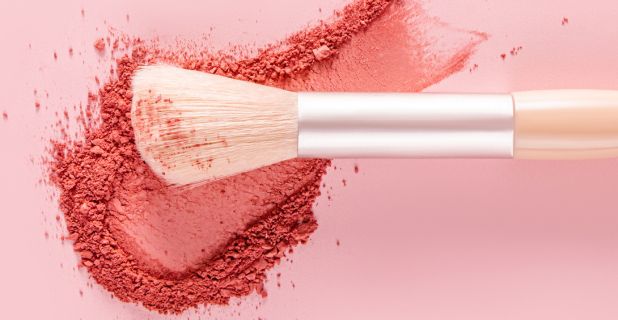
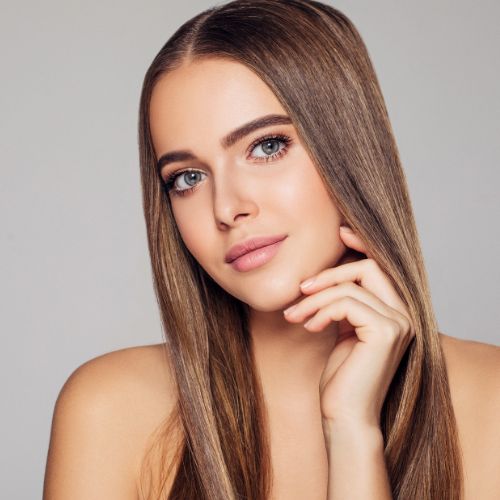
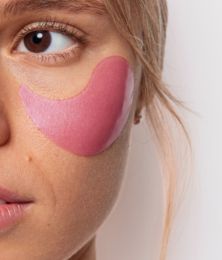
The "I'm Cold" effect has gone viral because it mimics the natural flush that appears on cheeks in cold weather, providing an immediate freshness and a youthful look that's very flattering on gray days. However, in 2026, this trend is evolving towards the Skin-First approach: rather than looking "frozen," the goal is to enhance hydrated, luminous, and healthy skin, with light and natural finishes that don't overload the face.
This evolution reflects a broader trend in makeup where the skin takes center stage. Blush is no longer just a touch of color, but a tool for balancing light and enhancing the face without overwhelming it.
But not all shades work the same when temperatures drop. Choosing the right one depends on your skin's undertone:
In winter, skin tends to be drier or more sensitive due to the cold and heating, so the texture of the blush is just as important as the shade.
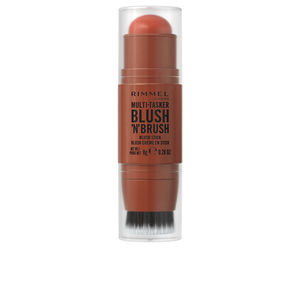
Cream and liquid formulas are winter favorites. They melt into the skin, avoid accentuating dry patches, and provide a dewy, natural finish. They also leave that healthy glow that aligns with the Skin-First trend, promoting luminous, fresh skin without excess product.
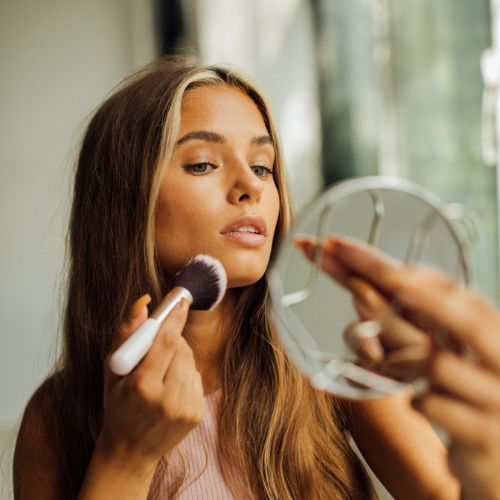
Powder blush can also work in winter, provided your skin is well-hydrated. It's best to choose satin or slightly luminous finishes and apply them sparingly, blending well to avoid making your features look harsh. Applying a light foundation or cream before the powder helps it blend seamlessly and prevents it from emphasizing texture.
Gel or very fluid textures are ideal if you're looking for a subtle and buildable result. They blend easily, diffuse evenly, and give a second-skin effect, perfect for a natural and healthy look.
In winter, small details make all the difference. Sometimes the problem isn't the shade chosen, but the amount, the skin preparation , or the application method.
Extra tip : Applying a touch of leftover blush to the tip of the nose recreates the "just arrived from the cold" effect and provides a more harmonious and youthful finish.
In winter, makeup doesn't need more intensity, but rather more intention. The right blush for winter isn't about following a trend, but about understanding how your skin changes when temperatures drop.
Adapting the color to your undertone , opting for comfortable textures, and applying the product lightly are all ways to balance the cool light of the season without looking overdone. When the tone is harmonious, blush ceases to be a simple makeup step and becomes the gesture that illuminates the face and transforms your expression.
Because, even on the grayest days, a well-chosen touch of color can make all the difference.







 Perfume
 Beauty Corner
 Univers
 Univers








 Commitment to
 Mothers
 Sun creams
 Sunglasses
 Beauty
 SUNGLASSES