 Gift
 Autumn
 Beauty Corner
 Viral






OUR UNIVERSES
Enjoy and explore the themed experiences created for those who are looking for something more
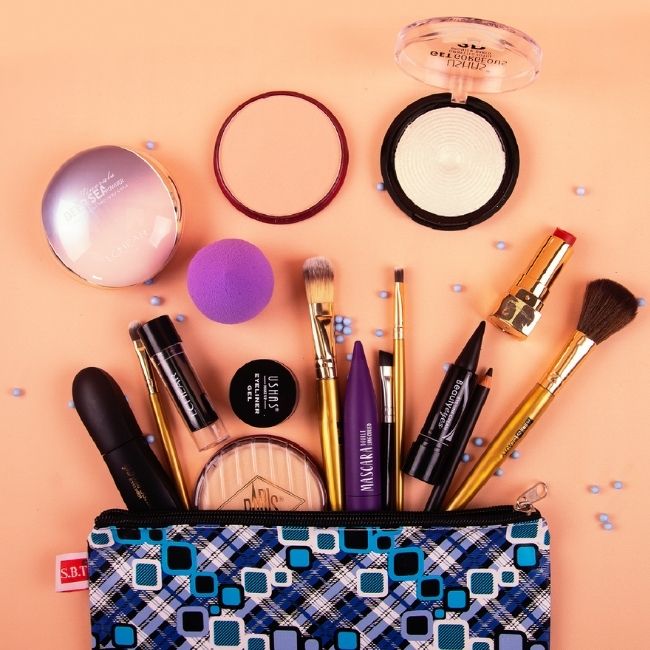
Summer has everything to be our favorite time of year: longer days, outdoor activities, light clothing, and that summery vibe that feels so good. However, keeping your face looking flawless when the temperature rises can become a real challenge, because that perfect makeup that kept you looking great in spring disappears.
You leave the house with flawless, polished, and radiant makeup, but after ten minutes in the sun, you feel your foundation starting to melt. The heat, humidity, and perspiration seem to conspire to transform your concealer into pronounced creases and your powder into uncomfortable patches.
Don't worry, nothing bad will happen to your skin, and you don't have to give up your beauty routine during the summer months. The trick isn't to use more product, but to change your technique and know when to set each step . By adjusting your routine a bit and using some expert tips, you can achieve a fresh finish that lasts from your morning coffee to dinner on the patio.
You don't need to overthink it or believe your makeup is no longer working; you just need to understand what happens to your skin when the temperature rises. The body activates sweating to regulate its temperature, and at the same time, the sebaceous glands are activated and produce more oil than usual.
Traditional foundations work like a mixture of water and oil. As soon as they come into contact with sweat and excess sebum, this mixture breaks down and the product no longer adheres well to the skin. If you add humidity to this, the makeup doesn't even have a chance to set: it either slides off or accumulates in pores and fine lines, precisely where we don't want it to be noticeable.

Many people believe that during the summer they should skip moisturizing for fear of excessive shine. But beware: dehydrated skin absorbs the water from the foundation, leaving only the pigment visible, which creates that unnatural, cakey effect.
The solution is to change the texture of your moisturizer, not to skip the step altogether. Put away your heavy winter creams and opt for lightweight gels or water-based formulas with hyaluronic acid . Let it absorb completely before applying your facial sunscreen; ideally, choose one that offers a dry or mattifying finish.
With your skin prepped, it's time to use a primer, a step many skip but that makes all the difference. You don't need to cover your entire face; focus on the T-zone (forehead, nose, and chin) using a mattifying or pore-minimizing formula . This creates an invisible barrier that controls oil and helps your makeup stay put for longer.
In summer, the classic mantra " less is more" becomes a philosophy of life for makeup. Because if you try to camouflage imperfections with a thick, high-coverage foundation, the heat and gravity will ruin it in a matter of minutes.
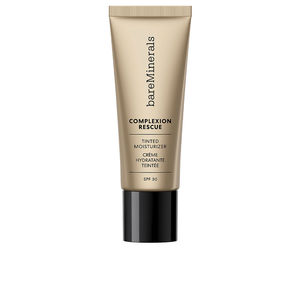
Swap your traditional foundation for a tinted skin tint , BB cream , or lightweight fluid. They even out your skin tone without making it look heavy. Instead of applying concealer all over your face, only where you really need it (under-eye circles, a blemish, or redness). And for lashes and eyes, now's the perfect time to switch to waterproof products ; for cheeks and lips, cream or liquid tints blend seamlessly and last much longer than traditional powder products.
If there's one trick that truly makes a difference in summer, it's setting your makeup in layers instead of just at the end. First, apply a light mist of setting spray right after your primer or moisturizer. Then, apply your makeup as usual, using fluid products. And finally, spritz the setting spray over your already made-up face.
As for powder, forget about powdering your whole face like a mask: use loose, very fine translucent powder and apply it with a dabbing motion using a velvet puff or a small brush, only on the areas where you know you'll shine, like the T-zone. Setting it in specific areas leaves the rest of your face with that natural, dewy glow that's so flattering in summer.
Sometimes, with the intention of fixing the problem, we end up making it worse.
Applying powder directly onto a drop of sweat or oily skin without cleansing first is a recipe for a clumpy, heavy texture, so it's best to dry your face carefully beforehand. Rushing doesn't help either: if you don't allow a couple of minutes between applying sunscreen, primer, and makeup, no formula will truly set. And the tools you use also matter: an overly damp sponge will dilute the coverage in summer, so it's best to squeeze out the excess water or use synthetic brushes to blend the product without watering it down.
When you've been out for hours and you notice the first signs of shine, don't make the mistake of adding more layers of makeup. The goal when you're out is to refresh, not pile up.
Always carry blotting papers (or rice paper) in your bag. Gently dab them onto your skin without rubbing so they absorb excess oil and sweat in seconds. If your skin feels tight from air conditioning or sun exposure, spritz thermal water or hydrating mist from a distance. It will restore your face's freshness without changing your look at all.
Setting your makeup in summer doesn't require complicated techniques or hard-to-find products, but rather understanding what your skin needs when the temperature rises. By adapting textures, applying in thin layers, and strategically setting with spray and powder, your makeup will withstand the heat of any day. Try it in your next routine and forget about constantly checking the mirror to see if your makeup is still in place.
Just register and we'll send you a welcome email with the bonus.







 Perfume
 Beauty Corner
 Univers
 Univers


 Commitment to
 Beauty
 Special
 SUNGLASSES
 Mothers
 Sunglasses