 Gift
Gift  Autumn
  Beauty Corner
 Viral
Viral 













OUR UNIVERSES
Enjoy and explore the themed experiences created for those who are looking for something more

You've probably heard of vitamin B12 because of its connection to energy and fatigue. But what you might not know is that this nutrient also plays a very important role in beauty, especially when it comes to hair, skin, and nails.
In recent years, vitamin B12 supplements have become one of the most sought-after products, not only by people with a deficiency, but also by those who want to take care of their well-being from within.
But what is vitamin B12 really good for? Does it have visible benefits for the skin or hair? We'll explain it clearly so you can see if it's right for you.
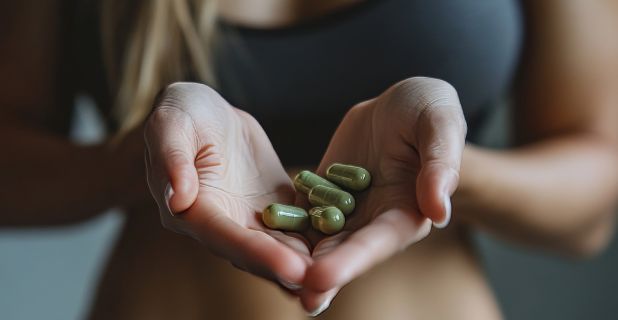
Vitamin B12, also known as cobalamin, is an essential B vitamin that plays a role in key bodily functions.
Its main functions include:
When there is a vitamin B12 deficiency, symptoms such as fatigue, weakness, hair loss, or dull skin may appear.
Therefore, maintaining adequate levels is not only important for overall health, but also for reflecting vitality on the outside.
Although we usually associate vitamin B12 with energy, its impact on beauty is more relevant than it seems.
Stronger and more resilient hair
Vitamin B12 is involved in the oxygenation of tissues and in the formation of red blood cells, which helps the hair follicle receive nutrients better.
When there is a deficiency, one of the signs may be weakening or hair loss.
If you notice your hair is thinner, more brittle, or less dense, and you also follow a diet low in animal products, it might be worth checking your levels.
Brighter skin
Dull, lifeless skin can be related to nutritional deficiencies.
Vitamin B12 contributes to cell renewal and helps maintain healthy-looking, toned skin.
It's not an immediate effect, but when the body is balanced, the skin reflects it.
Less brittle nails
Just like with hair, weak or easily broken nails can be related to nutritional deficiencies.
Vitamin B12 helps with proper cell growth, which can contribute to stronger nails.
Not everyone needs supplements. Ideally, you should always meet your needs through your diet.
Vitamin B12 is found mainly in:
However, some profiles are at higher risk of deficit:
If you suspect a deficiency, it is advisable to have blood tests done before starting any supplementation.
A common question is whether vitamin B12 increases appetite or causes weight gain. The answer is no.
Vitamin B12 doesn't make you gain weight. What it does is help your metabolism function properly and efficiently convert food into energy.
If you decide to take supplements, keep in mind:
And remember: more isn't always better. Supplementation should be responsible and, if possible, supervised by a healthcare professional.
Caring for your skin or hair isn't just about the cosmetics you use. Beauty also starts from within, and nutrients like vitamin B12 can play an important role when there's a deficiency.
If you lead a demanding lifestyle, follow a restrictive diet, or notice signs such as fatigue, hair loss, or dull skin, it may be worthwhile to check your levels and assess whether you need a supplement.
Because when the body is in balance, it shows. A lot.






 Perfume
 Beauty Corner
 Univers
 Univers







 Commitment to
 Mothers
 Sun creams
 Sunglasses
 Beauty
 SUNGLASSES