
 Autumn
 Beauty Corner
 Viral






OUR UNIVERSES
Enjoy and explore the themed experiences created for those who are looking for something more
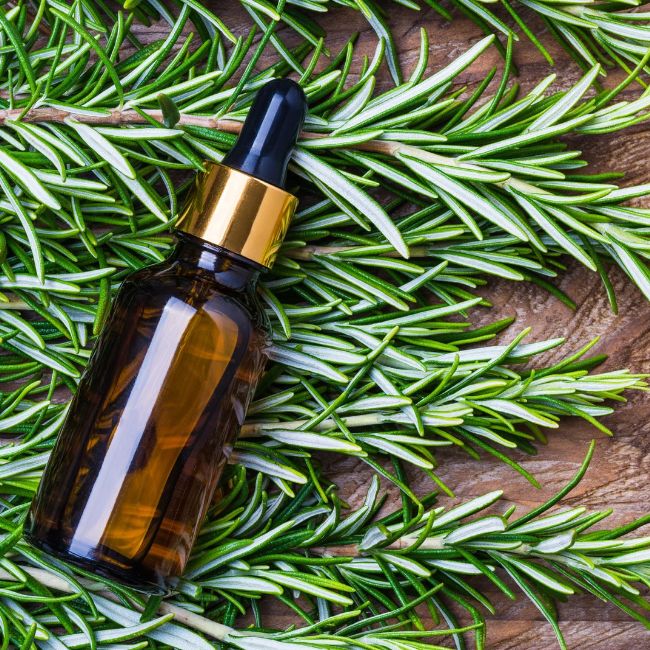
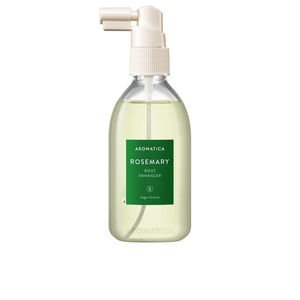
Rosemary, especially its essential oil, is a very common ingredient in hair care routines because it can help keep the scalp and hair in good condition.
Rosemary oil directs its action towards the roots, while other hair oils focus primarily on the ends and lengths. By stimulating microcirculation, it can promote hair growth from the root and provide greater strength and elasticity to each strand.
Its use is often essential for those who notice weak hair, seasonal hair loss, or slow growth. Below, we explain how it can help your hair.
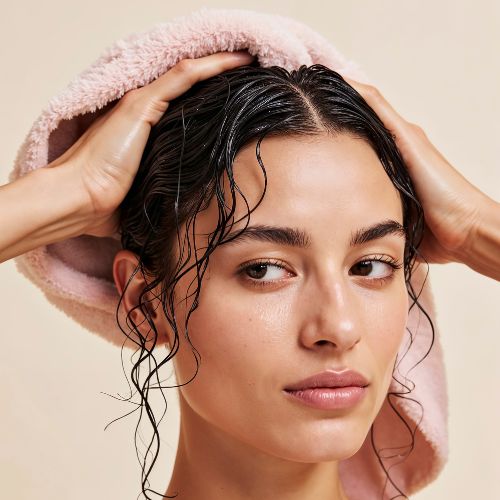
Rosemary oil primarily works on the scalp. Applied with a massage, it can help activate microcirculation at the root and create a favorable environment for the follicle to function normally. Regular use can contribute to stronger, thicker hair growth.
This oil also offers antioxidant properties that can help protect hair from damage caused by heat, pollution, or chemical treatments. Over time, hair is often shinier and healthier.
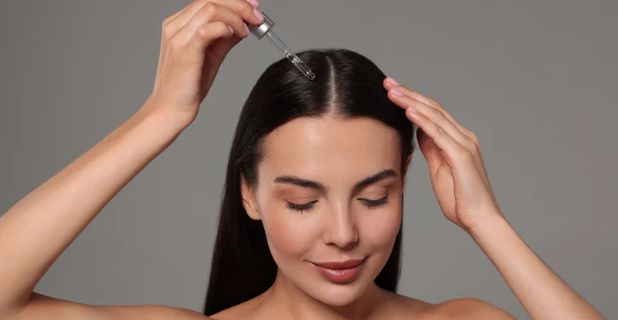
The way you apply it can influence the results. The most common use is as a pre-shampoo treatment. Apply a few drops to a dry or slightly damp scalp and massage with your fingertips in circular motions for three to four minutes. This massage can improve circulation in the area and help the oil distribute better. Then, you can leave it on for twenty minutes to an hour before washing your hair with your usual shampoo.
Another option is to mix a few drops of rosemary oil with the hair serum you already use in your routine. This combination can complement the effects of both products and allows you to apply them together without adding an extra step.
Two or three applications per week are usually sufficient for most hair types. The scalp needs time between applications, and using the oil daily can leave it weighed down with product and looking greasy.
Very dry or weakened hair may need to be washed more frequently during the first few weeks. After that, you should return to your usual routine.
Changes in hair are not usually noticeable immediately. A consistent routine over several weeks can help improve the appearance of your hair and the condition of your scalp.
Rosemary oil is generally well-suited to normal or dry hair prone to breakage or thinning. It can also be used on oily scalps, provided it is applied only to the roots and rinsed out completely with a thorough wash to avoid weighing the hair down.
Curly or highly textured hair responds best when combined with a more nourishing hair oil for the lengths, as rosemary oil alone may not be enough to moisturize the entire head of hair. For fine hair, a few drops are usually sufficient and help to avoid weighing it down.
Not all rosemary products are the same. Pure rosemary essential oil is highly concentrated and needs to be diluted in another oil before use. Hair oil formulated with rosemary extract comes ready to apply and may include other active ingredients that complement its effects.
The ingredient list also helps in deciding. Ideally, rosemary should be among the first ingredients, and the base should be suitable for your hair type. Plant-based oils like argan, jojoba, or coconut oil tend to provide more nourishment, and a light base is more comfortable for fine or oily hair.
The bottle also helps. Dark glass bottles tend to better protect the formula from light, and a dropper or precision applicator makes it easier to apply it only to the roots.
Each format is designed for a different use. The diluted essential oil is ideal for those who prefer to control the dosage, while the rosemary hair oil is more practical for incorporating into your routine without extra steps.
At Perfume's Club you can find a selection of rosemary oils and other rosemary hair treatments so you can choose the one that best suits your hair type and your routine.
Just register and we'll send you a welcome email with the bonus.







 Perfume
 Beauty Corner
 Univers
 Univers


 Commitment to
 Beauty
 Special
 SUNGLASSES
 Mothers
 Sunglasses