 Travel
  Universe
  Beauty Corner
 Viral
Viral 













OUR UNIVERSES
Enjoy and explore the themed experiences created for those who are looking for something more

In recent years, endocrine disruptors have become one of the most talked-about topics in the beauty world. This is not only because we are increasingly aware of the ingredients we apply to our skin, but also because we know that many cosmetics are part of our daily routine, and there is a need to be informed about their formulations to decide if they are truly safe.
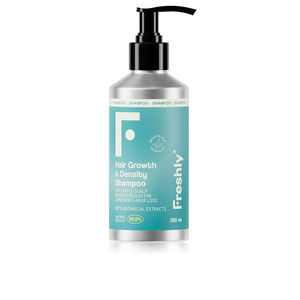
If you're looking for cosmetics, sunscreens, perfumes, makeup, shampoos, or deodorants without endocrine disruptors… keep reading. All these products come into direct contact with our bodies, so understanding what endocrine disruptors are, how they can affect us (especially women), and how to identify them is the first step toward more informed and conscious beauty consumption.

Endocrine disruptors are chemical substances that can interfere with the body's hormonal system. This system regulates key functions such as the menstrual cycle, fertility, metabolism, growth, and even mood.
Some of these substances mimic or block the body's natural hormones, disrupting their normal function. Exposure can be occasional, but what worries experts is constant and cumulative exposure through multiple products, including cosmetics.
Although they can affect anyone, women are usually more exposed because they use more cosmetic products daily and the female hormonal system is especially sensitive to alterations.
Some studies link prolonged exposure to certain endocrine disruptors with:
This does not mean that a single cosmetic product will cause a serious health problem on its own, but the combination of many products with questionable ingredients can have a long-term impact.
Some of the most debated ingredients in beauty include:
Many of these ingredients are regulated in Europe and used in safe concentrations, but the scientific debate remains open and more and more brands are opting for cleaner and more environmentally friendly formulas.
Reading the INCI label may seem complicated, but there are simple tricks:
It's not about eliminating all ingredients at once, but about making informed decisions . Some key points:
Every small change counts and helps reduce cumulative exposure to controversial substances.
More and more brands are opting for formulas free of parabens, phthalates, and triclosan, and are clearly communicating their ingredient lists. The Clean Beauty trend, vegan cosmetics , and certified organic cosmetics are growing precisely because of this consumer concern.
Furthermore, cosmetic regulations in Europe are very strict, so marketed products meet safety requirements, although consumers are increasingly demanding more transparent and respectful formulas.
This is where most men fail. Daily sun exposure is silent but cumulative: the sun is responsible for 80% of your skin's aging, causing spots, loss of firmness, and that rough texture that's hard to fix.
Endocrine disruptors in cosmetics aren't cause for alarm, but they are something to be informed about. Knowing what ingredients you apply to your skin, reading labels, and choosing responsible brands allows you to care for your beauty in a more conscious way, aligned with your well-being.
The cosmetics of the future not only seek visible results, but also formulas that are kind to your skin, your health, and the environment. And you have the power to choose.







 Perfume
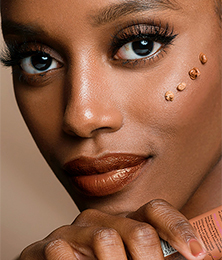 Beauty Corner
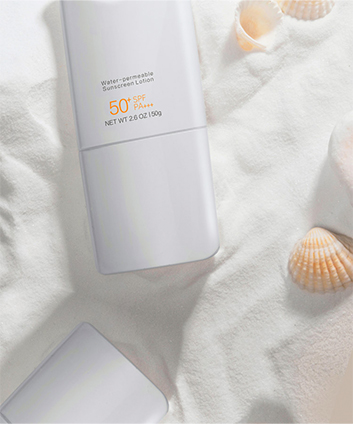 Your essentials
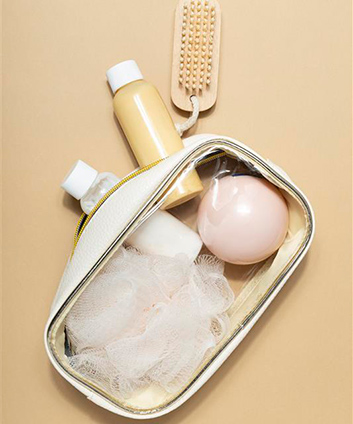 Your essentials
 Special
 SUNGLASSES








 Commitment to