 Gift
Gift  Autumn
  Beauty Corner
 Viral
Viral 












OUR UNIVERSES
Enjoy and explore the themed experiences created for those who are looking for something more
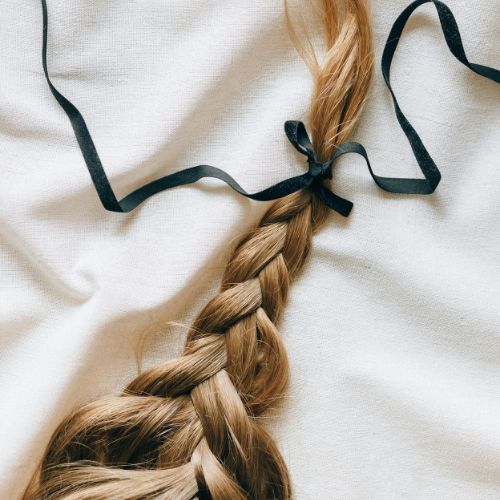
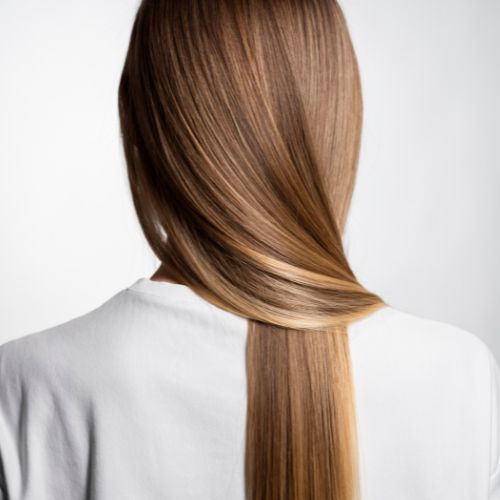
Finding more hair on your pillow, in the shower, or while brushing your hair can be worrying, but in most cases, it's a common and temporary phenomenon. Hair loss in winter has an explanation and, most importantly, can be prevented and controlled with a proper routine and specific anti-hair loss products .
In this post we'll tell you why hair weakens during the colder months, what factors influence this seasonal hair loss, and how to choose anti-hair loss products that actually help strengthen hair.
Yes, it's completely normal. Hair follows natural cycles of growth and shedding, and winter often coincides with a hair renewal phase. In addition, external factors typical of the season weaken the scalp and hair fiber, making hair loss more noticeable.
The key is to differentiate between a normal seasonal hair loss and an excessive or prolonged hair loss, and to act promptly with specific care.
During winter we receive less sunlight, which reduces the production of vitamin D, essential for hair growth. A deficiency in this vitamin can weaken the hair follicle and promote hair loss.
The constant contrast between the cold outdoors and the heating indoors directly affects the scalp, causing dehydration, sensitivity, and even flaking. An unbalanced scalp is more prone to hair loss.
Although they protect from the cold, the continuous use of hats can generate friction, sweating and accumulation of oil on the scalp, factors that weaken the hair root.
The end of the year, changes in routine, and stress can disrupt the hair cycle, causing more hairs to enter the shedding phase at the same time.
Cold weather and heating dry out both the skin and scalp. When the scalp loses moisture, hair becomes more fragile, thinner, and prone to breakage or falling out.
Anti-hair loss products are formulated to act directly on the scalp and hair follicle, strengthening the root and creating a favorable environment for hair growth. During the winter, their use is especially recommended because they help to:
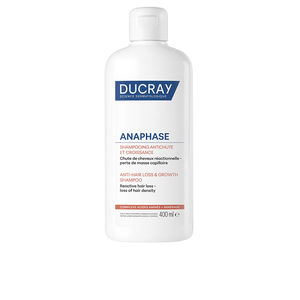
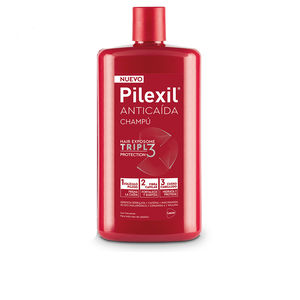
A good anti-hair loss shampoo gently cleanses without drying and prepares the scalp for subsequent treatments. They usually contain strengthening ingredients that stimulate the roots and reduce progressive hair loss.
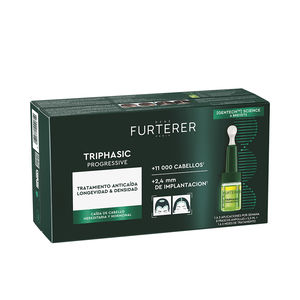
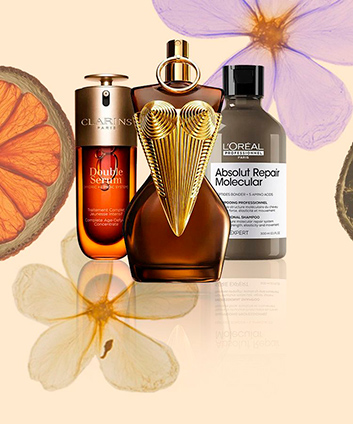
Anti-hair loss ampoules or concentrated serums are among the most effective treatments during winter. They act directly on the follicle, strengthening the root and prolonging the hair's growth phase.
These products are applied directly to the scalp and help keep it balanced, hydrated and oxygenated, creating a healthy environment for hair growth.
In some cases, reinforcing the routine with specific supplements can help compensate for nutritional deficiencies typical of winter, always as a complement to a balanced diet.
Hair loss in winter is common, but not inevitable. Understanding why it happens and choosing suitable anti-hair loss products can help you maintain stronger, thicker, and healthier hair throughout the season.
A consistent routine, specific products, and small changes in your daily habits are the best investment to ensure your hair is at its best by spring.





 Perfume
 Beauty Corner
 Univers
 Univers








 Commitment to
 Mothers
 Sun creams
 Sunglasses
 Beauty
 SUNGLASSES