 Gift
Gift  Autumn
  Beauty Corner
 Viral
Viral 













OUR UNIVERSES
Enjoy and explore the themed experiences created for those who are looking for something more
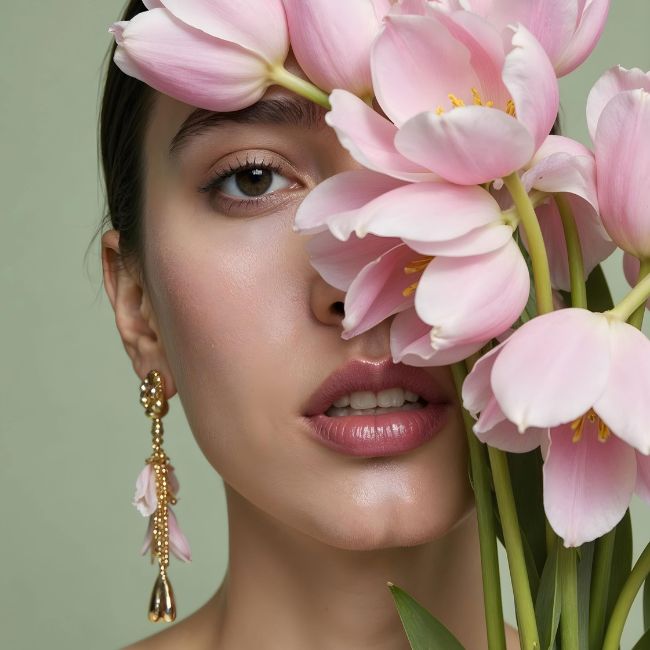
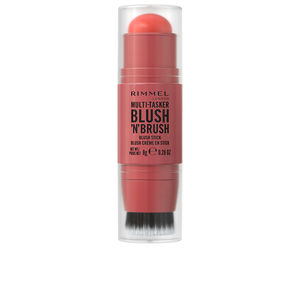
Have you ever tried a blush and it looks beautiful in the packaging… but when you apply it to your face it doesn't quite convince you?
It's not that the product is bad or that you don't know how to use it. Often, it's simply not the right shade for your skin or it doesn't suit the time of year. And in spring, this becomes even more important: our skin changes, the light is different, and we're looking for a fresher, more natural, and radiant look.
In spring , this becomes even more important: our skin changes, the light is different, and we seek a fresher, more natural, and luminous effect. Choosing the ideal blush isn't about following trends, but about understanding which shades truly harmonize with you to enhance the vitality that the new season brings.
Spring completely transforms the way we perceive makeup . We leave behind the more intense shades of winter and look for lighter, more radiant, and natural finishes . This happens for several reasons:
That's why the key shades this season tend to be soft pinks , corals , and peaches . It's not just a trend: these colors mimic the natural flush of healthy skin.
The result we are looking for is not "obvious makeup", but that immediate good face effect .

Before choosing a blush, you need to identify a key factor: your skin tone . To keep things simple, first identify your foundation and then your reaction to the sun to determine your undertone.
You can also check your natural skin tone on your face, neck, or décolletage in natural light. You don't need a technical analysis: simply identifying your overall skin tone is enough to choose the right blush. The key is to understand that blush should blend seamlessly with your skin, not stand out as a solid block of color, but rather merge naturally with your complexion.
This is where everything starts to make sense.
Fair skin
The best working shades are: baby pink, cool pink, and very soft peach, which bring freshness without hardening the features.
Medium skin
There's more room to experiment here: shades like coral, warm pink, and peach are recommended. These tones enhance your healthy glow without sacrificing a natural look.
Dark skin
The colors need more intensity to stand out: that's why vibrant coral, fuchsia, and terracotta tones with a pinkish undertone are appropriate. In this case, very light shades can get lost, so it's best to opt for colors with more presence.
Although both shades are popular in spring, they don't produce the same result.
Pink blush gives a fresher, more youthful effect, as it mimics the face's natural flush. It's ideal for soft, romantic, or minimalist looks.
Peach or coral blush , on the other hand, adds warmth and is especially flattering when the skin has a light tan. It brings luminosity and a healthier appearance.
If you're hesitating between one or the other, think about the result you're looking for: pink refreshes, while peach brightens.
Tone matters, but texture can change everything. This season, the trend isn't about covering up, but enhancing, and the best options are usually:
Cream blushes
They blend seamlessly with the skin, giving a dewy finish , as if the blush were coming from within. They're ideal for a natural look.
Liquid blushes
Very light and buildable, they allow a bare skin effect with a subtle touch of color.
Powder blush
They remain a good option if you choose fine formulas with a satin finish. Powders that are too matte or heavy can make the result look harsh.
This is where makeup becomes personal. It's not just about your skin tone, but how you want to look.
For a natural look , the ideal is to apply soft, well-blended shades to the cheeks, aiming for a light, healthy-looking effect. If you prefer a more defined look , you can intensify the shade and apply it to a slightly higher area to create a subtle lifting effect .
For a more modern and trendy style , blush takes center stage: it can also be applied to the nose or extended towards the temples, playing with glow finishes that add light and dimension.
In the end, the same shade can be completely transformed depending on how you apply it, because the secret is not just what you choose, but how you make it your own.
Choosing the perfect blush for spring isn't about following rigid rules or buying the latest trendy shade. It's about understanding your skin, observing how it reacts to light, and choosing colors that complement the natural freshness we're looking for this season.
Keep in mind that the best blush is the kind that looks like you're not wearing any, but instantly makes your skin look vibrant. When you choose the right shade, texture, and application technique, the result isn't just makeup… it's a much brighter and more authentic version of yourself.
Just register and we'll send you a welcome email with the bonus.







 Perfume
 Beauty Corner
 Univers
 Univers








 Commitment to
 Mothers
 Sun creams
 Sunglasses
 Beauty
 SUNGLASSES