
 Gift
 Autumn
 Beauty Corner
 Viral






OUR UNIVERSES
Enjoy and explore the themed experiences created for those who are looking for something more
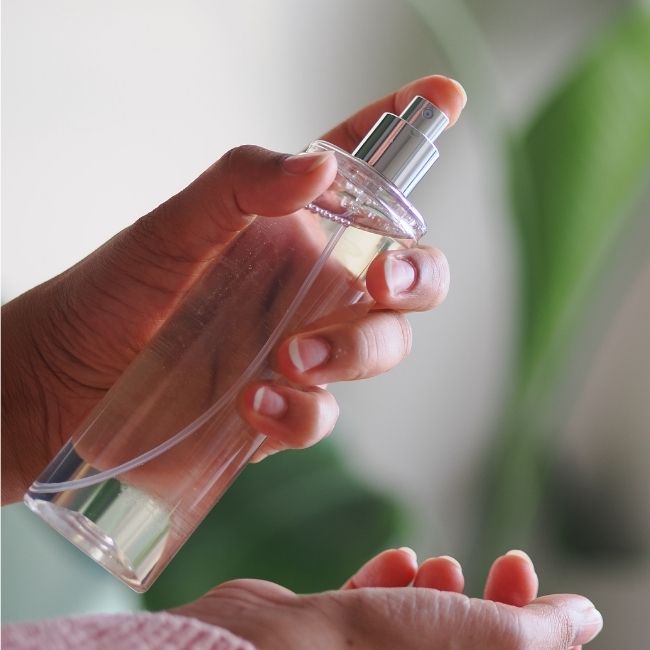
There's a scent that almost everyone recognizes, but few know its name. That smell of rain that appears when the first drops touch dry ground is called "petrichor," also known as "the smell of wet earth."
Something similar happens with perfumes on a rainy day. Humidity not only transforms the atmosphere, but it also changes how scents are perceived on the skin. Not everyone reacts the same way. Knowing which ones work best on these days allows you to get the most out of any perfume.
Humidity isn't the enemy of perfume; it's an amplifier. When the air is heavy with moisture, the notes move more easily and reach the nose with greater intensity. That's why, in a rainy environment, certain perfumes seem more present and enveloping than on a dry day.
The cold also plays a role. Low temperatures slow down the evaporation of perfume on the skin. The notes are released more gradually, and the scent develops slowly throughout the day.
The result is that a perfume that goes unnoticed in summer can become the star on a gray and rainy day.

The fragrances that perform best on gray days are those with dense, warm notes and long projection. Woody scents like cedar, sandalwood, or damp wood are ideal because they gain depth and create an enveloping effect that lasts throughout the day. Oriental fragrances are equally effective. Amber, vanilla, and patchouli are notes that humidity naturally intensifies. They are comforting without being overpowering.
Musky fragrances work more subtly, but just as effectively. Musk melts into the skin, and humidity enhances this effect. Aquatic fragrances are perhaps the most naturally associated with rain. Their notes evoke the scent after a rainstorm and the clean air following a downpour, although your skin always has the final say.
The same environment that enhances some fragrances dulls others. The lightest and freshest ones perform the worst on humid days because their very nature works against them.
Citrus scents are the most vulnerable. Notes of lemon, orange, bergamot, or grapefruit evaporate quickly even under normal conditions. With humidity, this process accelerates, and the aroma disappears in a matter of minutes. Light florals have the same problem. Peony, delicate jasmine, or fresh rose lose intensity and fade before they can fully develop.
Green and herbaceous fragrances aren't the best choice either. Their fresh, sharp notes, designed for heat and dry air, are overwhelmed when the environment is saturated with humidity.
There's no need to store them until the rain stops. In rainy weather, they simply perform less well and last less time. Understanding their limitations allows you to choose wisely.
Rain can transform a subtle fragrance into something memorable. On cold, damp days, woody, oriental, and musky scents are the best performers. For those seeking something lighter yet equally effective, aquatic notes offer a perfect alternative. Citrus and light floral fragrances, on the other hand, are best reserved for sunny days.
In terms of concentration, humid days favor eau de parfum over eau de toilette. Their higher concentration of fragrance allows them to project better and last longer throughout the day.
Perfume's Club brings together fragrances from all these olfactory families, with options for every skin type and every time of year.
Just register and we'll send you a welcome email with the bonus.


 Perfume
 Beauty Corner
 Univers
 Univers


 Commitment to
 Mothers
 Sun creams
 Sunglasses
 Beauty
 SUNGLASSES


.png)