 Gift
Gift  Autumn
  Beauty Corner
 Viral
Viral 













OUR UNIVERSES
Enjoy and explore the themed experiences created for those who are looking for something more
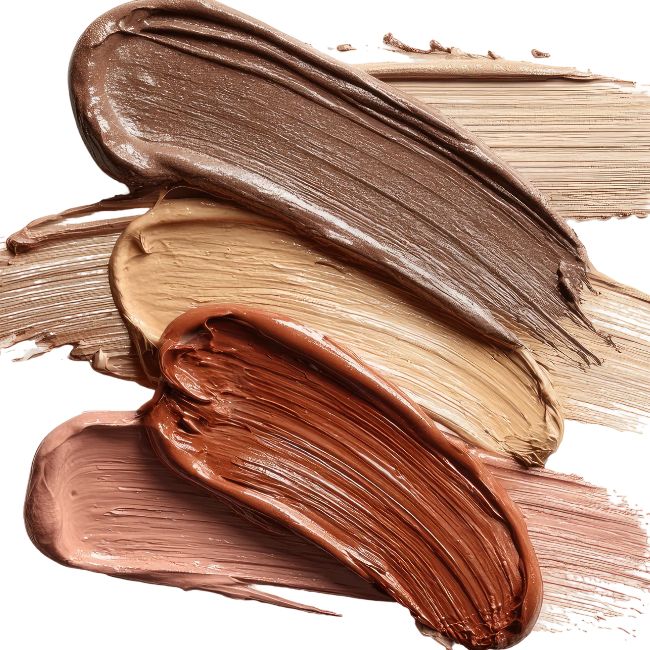
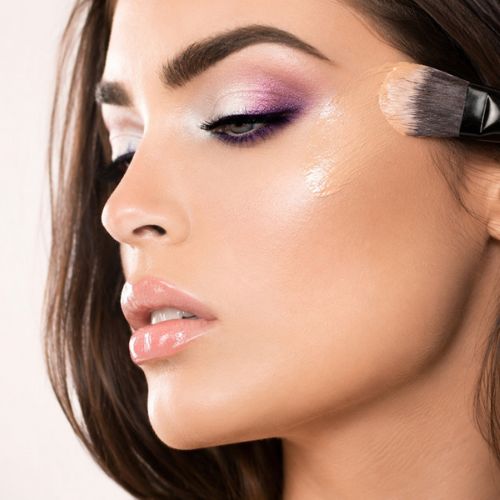
Foundation evens out skin tone and conceals imperfections, but after a few hours its pigments can react with sebum, humidity, and the heat released by the skin. The result is usually a more orange or darker tone. This phenomenon is known as formula oxidation.
Knowing the causes helps you choose the right makeup base, so that the color lasts all day.
Most makeup bases contain iron oxides, mineral pigments that provide reddish, yellow, brown, and black tones to the formula.
These pigments react with the sebum produced by the face. The oilier the skin, the more intense this reaction tends to be, so the color tends to become more orange or darker. Heat and humidity also accelerate the process. That's why, in warm climates or during the summer, the change in tone is more noticeable.
Foundations with a higher proportion of oils tend to oxidize faster than lighter formulas. If the skin isn't properly prepped before applying makeup, the color change may appear sooner and be more noticeable.
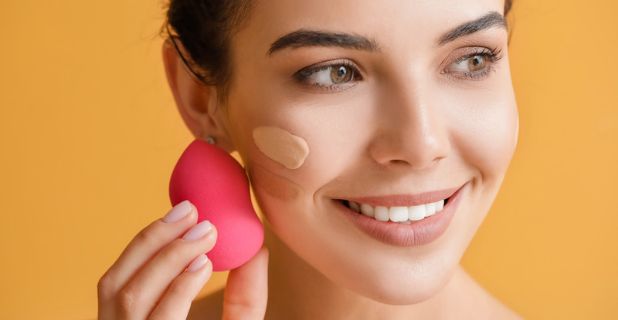
The way you prepare your skin before applying foundation influences how long it will take to oxidize.
The first step is cleansing. If any traces of sebum or products from the night before remain, the foundation will mix with them, and the color change may appear sooner. Moisturizing is the next step. A suitable moisturizer can create a protective barrier between your skin and the formula. For oily skin, an oil-free or gel option is sufficient. For dry skin, a richer, more nourishing texture will help the foundation spread evenly.
Finally, the primer acts as an intermediate layer between the skin and the makeup. This product not only helps control oil and minimize the appearance of pores, but it's also key to ensuring that the color stays put for longer.
The type of formula is the key element. Oil-free or matte foundations are designed for oily skin, so they are more resistant to the reaction with sebum. Conversely, luminous or satin options contain a higher proportion of oils in their composition and tend to change color as the hours pass.
The color you choose and the level of coverage also matter. If you use a shade that doesn't exactly match your skin tone, even the slightest variation will be much more noticeable. High-coverage products contain a higher concentration of pigments and ingredients, making oxidation more visible. For combination or oily skin, applying medium coverage in thin layers will always be more stable than a thick formula applied in a single layer.
Setting the base coat once applied is the secret to delaying color oxidation.
Translucent or pressed powders absorb excess facial oil and create a protective shield that can reduce the reaction with foundation. For combination or oily skin, a small amount in the T-zone is usually enough to extend the wear of makeup for hours. If your skin is dry, simply apply it to the areas where premature shine tends to appear.
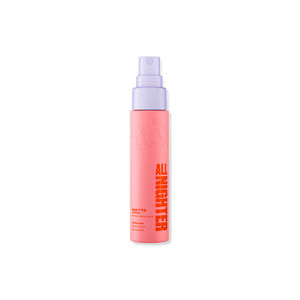
Setting spray is another product that can work. It's applied at the end of your makeup routine and can help reduce the amount of oil in your foundation. There are mists with a mattifying effect for oily skin and others with a luminous finish, which are more suitable for dry or mature skin.
Blotting papers are also a great choice throughout the day, as they help remove excess oil without disturbing your makeup. This delays the point at which oxidation becomes visible. That's why at Perfume's Club we recommend always carrying them in your makeup bag.
Hormonal changes during the menstrual cycle, pregnancy, or different stages of life can cause the skin to produce more or less sebum than usual. Therefore, a foundation that previously worked well may begin to change color.
The seasons also play a role. After summer, skin tone can change due to sun exposure, and a foundation that previously matched well may no longer look right. This often gives the impression that the formula is oxidizing, when in reality the shade simply no longer matches the skin tone. In winter, on the other hand, skin tends to be drier, and the product may behave differently.
A change in your skincare routine has a similar effect. By incorporating new products, such as exfoliants or creams with different textures, the skin can react by altering its oil levels, which directly affects the finish of your makeup.
Choosing the right foundation for your skin type and the season, preparing your face properly, and setting the result are the right steps to maintain a stable color.
At Perfume's Club you will find a wide variety of makeup bases , primers , setting sprays and powders adapted to your needs to achieve a routine that lasts all day.
Just register and we'll send you a welcome email with the bonus.







 Perfume
 Beauty Corner
 Univers
 Univers








 Commitment to
 Mothers
 Sun creams
 Sunglasses
 Beauty
 SUNGLASSES