 Gift
Gift  Autumn
  Beauty Corner
 Viral
Viral 



OUR UNIVERSES
Enjoy and explore the themed experiences created for those who are looking for something more
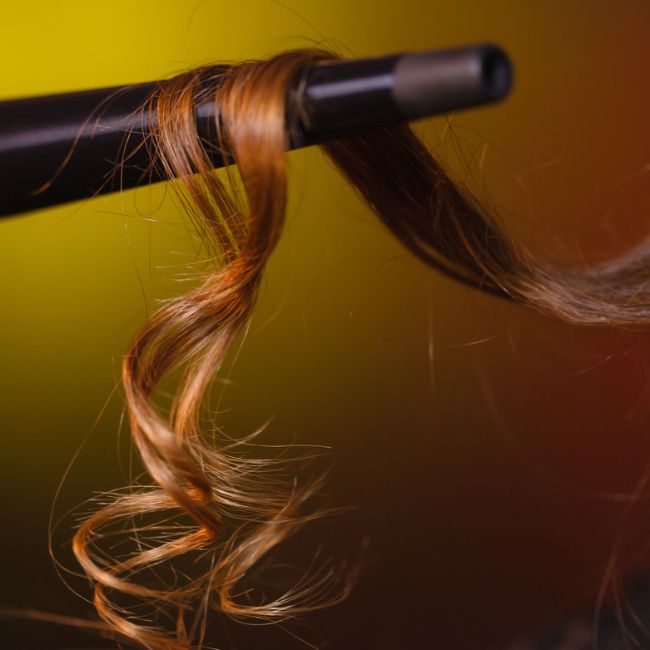
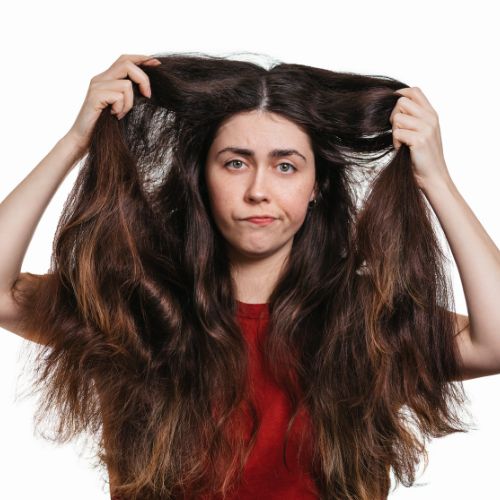
Choosing a hair curler can be tricky. The market offers dozens of models with different diameters, materials, and temperature settings. Those who don't know what to look for may end up with a tool that isn't suitable for their hair type.
In this post you will learn what aspects to consider when choosing the curling iron that best suits your hair.
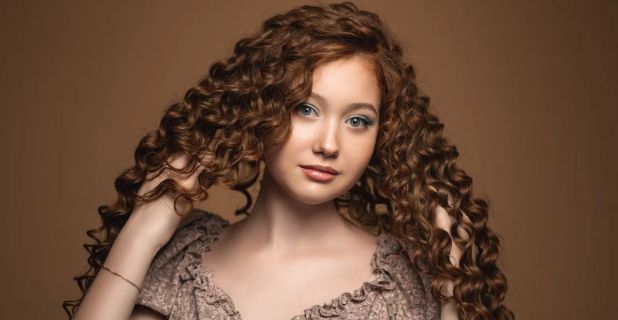
The diameter of the curling iron determines the size of the curl. Therefore, when choosing the right curling iron, the first thing to do is be clear about the result you want to achieve, before focusing on brands or prices.
Narrow curling irons, between 19 and 27 mm, create tight, defined curls, ideal for short or medium-length hair. Medium-sized ones, from 28 to 37 mm, help achieve natural waves and generally work well on most lengths. The widest ones, 38 mm and up, are used to create loose, voluminous waves, suitable for long hair seeking movement without excessive definition.
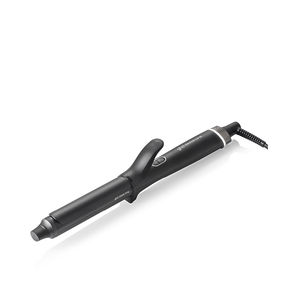
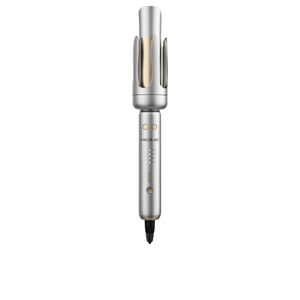
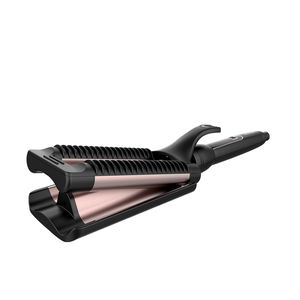
The design of the curling iron can influence the result. Curling irons with clamps usually produce waves with a more structured finish. Curling irons without clamps allow you to curl the hair by hand and tend to produce more fluid and natural waves.
The clamp offers more control and is ideal for beginners. The clipless curling iron, on the other hand, gives looser results and is ideal for more experienced users.
Applying heat indiscriminately can damage hair. Fine, brittle hair tolerates temperatures between 150 and 170 degrees Celsius well. Normal hair can withstand temperatures from 180 to 200 degrees Celsius. Thick or very resistant hair may need temperatures up to 220 or 230 degrees Celsius for the curl to set.
The best curling irons on the market offer precise temperature control, not just a three-level selector.
Heat-up time affects ease of use. A hair curler typically reaches working temperature in under 30 seconds. A swivel cord helps prevent strain and allows for easier movement around the head.
Automatic shut-off is an important safety feature, especially for everyday tools. As for the curling iron's material, ceramic distributes heat evenly and reduces the risk of burns.
Sustained heat damages hair if protection isn't applied beforehand. A heat protectant spray or serum reduces moisture loss and helps curls last longer. We recommend applying the protectant to damp hair, waiting for it to dry completely before using a curling iron, and finishing with a lightweight oil or serum to seal the style.
Curling hair haphazardly often results in an uneven look, with some areas more defined than others. An effective method is to divide the hair into three layers: the bottom layer, the middle layer, and the top layer.
It's best to start at the bottom, clipping the rest of the hair up and working your way up to the next level as you finish each section. The strands shouldn't be too thick within each level. A width of two to three centimeters is usually enough for the heat to reach evenly and for the curl to set from root to tip.
The direction of the curling can influence the result. Curling inwards, towards the face, produces tighter, more romantic curls. Curling outwards, on the other hand, usually creates looser, more voluminous waves. Alternating the two directions in different sections gives the effect of natural waves, without looking too uniform or artificial.
If you're still unsure what type of curl you're looking for, at Perfume's Club you can explore a selection of hair curlers and choose the one that best suits your hair type and the result you have in mind.
Just register and we'll send you a welcome email with the bonus.

 Perfume
 Beauty Corner
 Univers
 Univers


 Commitment to
 Mothers
 Sun creams
 Sunglasses
 Beauty
 SUNGLASSES