
 Autumn
 Beauty Corner
 Viral






OUR UNIVERSES
Enjoy and explore the themed experiences created for those who are looking for something more
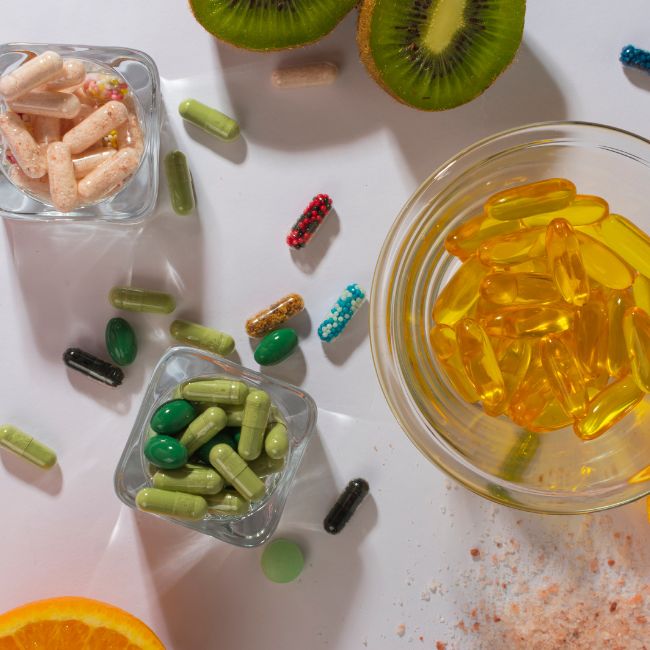
Choosing a supplement based solely on the bottle's design is a common mistake. The information that truly matters is on the back, and knowing how to read it helps you make an informed purchase.
You don't need to be an expert to understand the label. If you know what to look for and how to interpret each section, you can easily compare products and choose the one that best suits your needs.

In everyday language, they mean the same thing, although they have a different nuance. A supplement provides nutrients that may be lacking in your daily diet, while a nutritional supplement is used to provide an extra dose for a specific purpose, such as improving athletic performance.
The real difference usually depends on the country of manufacture. In some countries, the law requires them to be called food supplements, while in others, the term "supplement" is more common. That's why you might find both terms in the same catalog. Keep in mind that this is just a matter of terminology, not of quality or use.
Before looking at the details, make sure the packaging includes this information. If any of this information is missing, it's best not to buy it.
The dose is the amount the manufacturer recommends taking each time, whether it's one capsule, two tablets, or one tablespoon. All values in the nutrition facts table are based on that serving, not the entire container.
The most common mistake is confusing the dosage information with the information per 100 ml. Since some packaging includes both columns, always look at the one that corresponds to the exact amount you are going to consume.
Also, check how many doses are in the package. If a bottle has 60 capsules, but the recommended dose is 2 per day, the product will last you 30 days, not 60. Doing this calculation helps you know how much each dose actually costs when comparing brands.
Not all ingredients are the same even if they have the same name. The same nutrient often comes in different forms, and the body can utilize some better than others.
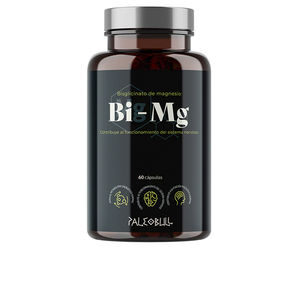
On the label, you'll see an additional word next to the main ingredient that specifically indicates the ingredient you're buying (for example, magnesium bisglycinate, D3, etc.). That's why two bottles with similar prices don't always offer the same thing.
Also, pay attention to the actual amount of the ingredient you're interested in. A package might list 500 mg of turmeric, but one of its most important components is curcumin. The table on the back should clearly state the amount of curcumin it contains, not just the total weight of the powder.
Sometimes, labels group several ingredients under catchy names like "exclusive formula" or "advanced complex" and list a single total weight, without specifying how much each ingredient contains. This is called a proprietary blend. The problem is that it doesn't let you know if the ingredient you're looking for is present in an adequate amount or if it's just included in a small quantity to be listed on the packaging.
If you come across a blend like this, compare it to other brands that list the exact amount of each ingredient separately. A product containing a blend doesn't necessarily mean it's bad, but choosing one that offers detailed information helps you know exactly what you're paying for.
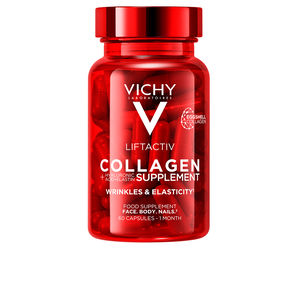
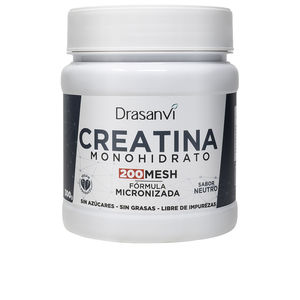
Now that you know what to look for in each package, the Perfume's Club catalog offers a wide selection of food supplements with all the information you need to buy and make an informed decision.
Just register and we'll send you a welcome email with the bonus.







 Perfume
 Beauty Corner
 Univers
 Univers


 Commitment to
 Beauty
 Special
 SUNGLASSES
 Mothers
 Sunglasses