 Gift
Gift  Autumn
  Beauty Corner
 Viral
Viral 













OUR UNIVERSES
Enjoy and explore the themed experiences created for those who are looking for something more
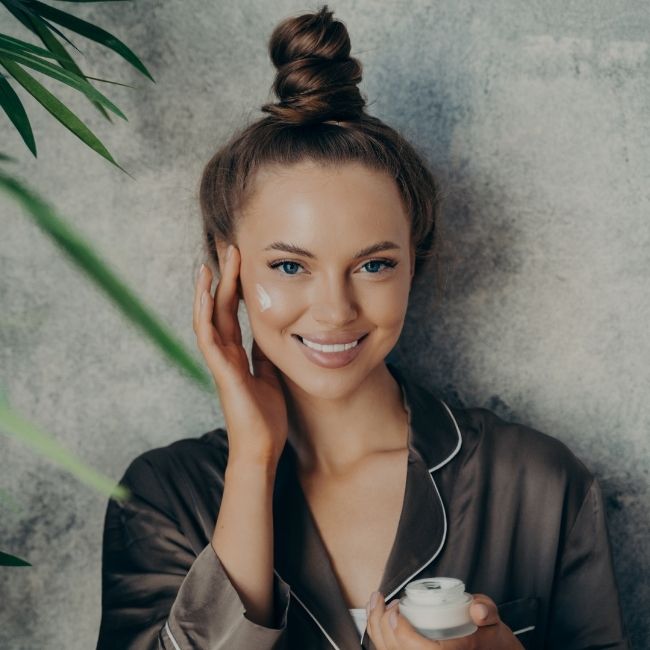
Have you ever woken up with radiant skin after a night of deep sleep… and the next day, after only a few hours of sleep, with a dull complexion, dark circles under your eyes, and a general feeling that something is wrong?
It's not a coincidence or a matter of luck. While you sleep, your skin works in active repair mode, and what happens during those hours can make the difference between tired skin and skin that looks like it's been drinking spring water. Today we'll tell you exactly what happens, why " beauty sleep" is much more than just a pretty term, and how to help your skin make the most of every night.
During the day, the skin acts as a protective barrier against external factors such as pollution, solar radiation, temperature changes, and stress. At night, when the body enters the deepest stages of sleep, various processes of cell repair and renewal are activated.
During these hours, the skin's regenerative activity increases, helping to repair damage accumulated throughout the day and promoting skin cell renewal . This process is key to maintaining healthy, even-toned, and radiant skin.
That's why, when you enjoy a restful sleep , it's common to wake up with a more refreshed and radiant complexion. A good night's sleep doesn't replace a healthy skincare routine , but it is one of the fundamental pillars for caring for your skin from within.
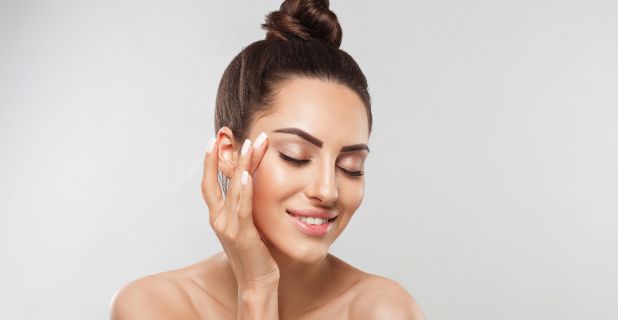
What does sleeping have to do with wrinkles? The answer is: more than you think.
During sleep, the body releases growth hormone, which in turn stimulates the production of collagen , the protein that keeps your skin smooth, firm, and plump. When you regularly sleep poorly, this production slows down. And over time, fine lines and wrinkles have more room to appear.
You don't need to live in a laboratory to understand it: when you spend several nights in a row sleeping little, your skin tells you so before you can cover it up with makeup.
The area around the eyes is the first to betray a bad night's sleep. The reason is physiological: lack of sleep dilates the blood vessels under that thin skin, creating the dark circles and bags under the eyes that are so difficult to conceal.
Furthermore, insufficient sleep raises levels of cortisol, the stress hormone, which promotes skin inflammation and can trigger acne breakouts , redness , or worsen sensitive skin . Sleeping well not only rests your mind but also literally quells the internal fire in your skin.
If you've ever wondered why there are specific creams, serums, and facial treatments for nighttime use , the answer lies in their working time. While you sleep, these products remain on your skin for several hours without being affected by external factors such as sun, makeup, or pollution.
In addition, the nighttime routine allows you to incorporate active ingredients that are usually recommended for use only at night, such as retinol or certain exfoliating acids, since some can increase the skin's sensitivity to solar radiation.
That's why bedtime is a great time to apply hydrating, nourishing, or anti-aging treatments. A well-chosen nighttime skincare routine complements the work your skin does naturally while you sleep.
Improving the quality of your sleep doesn't always require supplements or radical changes. There are small habits that make a big difference:
When you combine good sleep hygiene with the right products, the results are visible in the mirror. Not like magic, but like biology.
Maintaining good sleep hygiene is the foundation for better rest. However, in certain situations—such as periods of stress, changes in schedule, or travel—falling asleep or staying asleep can be more difficult.
In these cases, some dietary supplements formulated with melatonin can provide occasional help. Melatonin is a hormone naturally produced by the body that plays a role in regulating the sleep-wake cycle.
When used according to the manufacturer's instructions, it can help reduce the time it takes to fall asleep and regulate biological rhythms disrupted by situations like jet lag. Higher quality sleep allows the body to carry out its nighttime recovery processes more efficiently, including those related to the skin.
If there's one thing this article wants to make clear, it's that beauty sleep isn't an old wives' tale or a whim for those with too much time on their hands. It's science applied to your skin: regeneration, collagen production, hydration, reduced inflammation, and increased radiance—all happening while you sleep.
The good news is that you can activate this process with two very simple levers: prioritize your rest—with good habits, routines, and, if needed, a little natural help—and apply the right products when your skin is most receptive to them. You don't need more time in front of the mirror. You need more sleep. Your skin will thank you in the morning.
Just register and we'll send you a welcome email with the bonus.







 Perfume
 Beauty Corner
 Univers
 Univers








 Commitment to
 Mothers
 Sun creams
 Sunglasses
 Beauty
 SUNGLASSES