 Gift
Gift  Autumn
  Beauty Corner
 Viral
Viral 













OUR UNIVERSES
Enjoy and explore the themed experiences created for those who are looking for something more
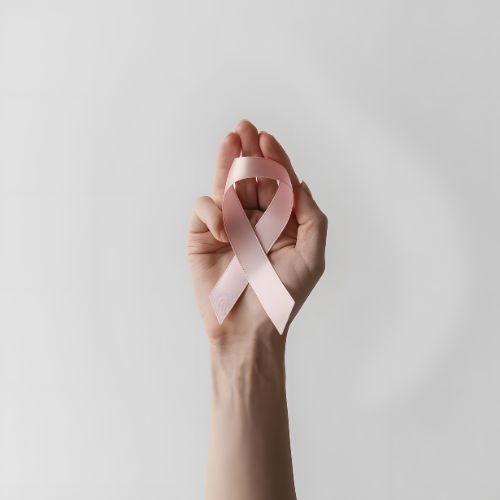
When you begin chemotherapy treatment, your body undergoes a profound transformation. The skin, our largest organ, is often one of the first to reflect these changes.
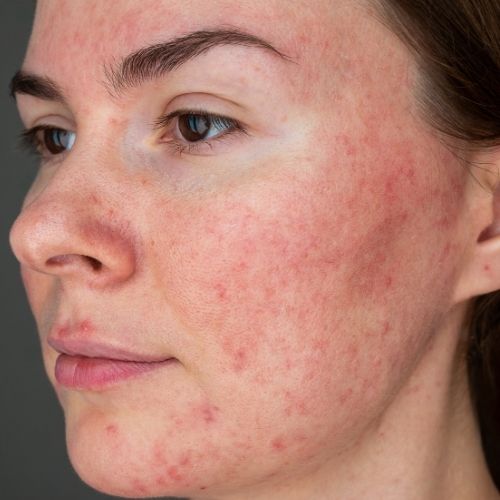
It's normal to feel that your skin no longer reacts the same way; intense dryness, tightness, redness, or a sensitivity that wasn't there before may appear. It's not just about aesthetics; skin discomfort can affect daily well-being , sleep, and even mood.
Understanding what is happening in the skin barrier allows you to adapt your routine and reduce many of these discomforts.
During chemotherapy, treatments not only attack cancer cells but also healthy cells , including those in the epidermis. This can weaken the skin barrier and impair its protective capacity.
As a result, many patients find their skin becomes more sensitive to factors that didn't previously affect them, such as temperature changes, cosmetic products, or even contact with clothing. Furthermore, chemotherapy can disrupt the production of natural oils, causing the skin to lose hydration and elasticity. The result is more fragile, reactive skin that is prone to dehydration.
These changes are common and are part of the body's response to treatment. The good news is that, with an adapted routine, it's possible to alleviate many of these discomforts.
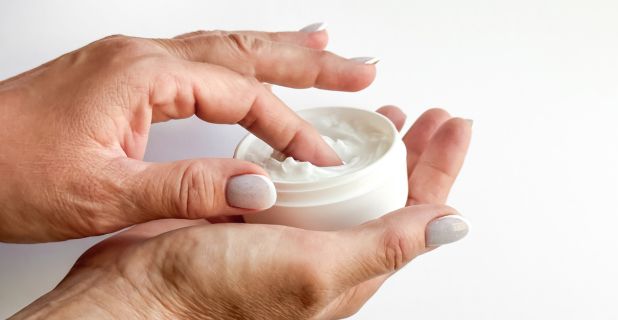
During chemotherapy, we don't talk about classic skin types , but rather temporary manifestations that require an immediate response. Identifying what you're feeling at any given moment is key to effectively relieving discomfort.
It is the most common symptom; the skin becomes rough, dull, or cracked due to a lack of natural lipids.
Your skin reacts to even the slightest external stimuli. Here, the golden rule is "less is more".
Some people notice visible peeling or especially vulnerable areas that need intensive repair.
During chemotherapy, the skin can become more reactive to sunlight, even with brief exposure. This increases the risk of irritation and the appearance of dark spots.
Ultra-gentle cleaning
Start your day by removing impurities with pH-balanced formulas that cleanse gently. Warm water will be your best tool to avoid stripping away your skin's protective oils.
Frequent hydration
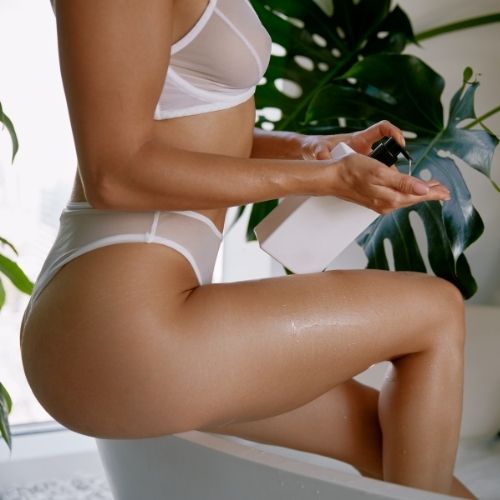
Don't wait until your skin feels tight. Apply your moisturizer several times a day, especially after bathing, taking advantage of the fact that your skin still retains some moisture to improve absorption.
Daily sun protection
Even if you have already chosen your appropriate sunscreen , incorporate it as the last step each morning to strengthen the barrier against external aggressions.
Cosmetic minimalism
Avoid exfoliants, retinoids, or harsh acids. The fewer unnecessary stimuli your skin receives, the more energy it will have to maintain its balance.
Every cancer treatment is different, and every skin responds in its own way. What provides relief for one person may not be enough for another.
If persistent pain, severe irritation or deep cracks, signs of infection, intense inflammation, or any reaction that does not improve with basic care appears, it is essential to consult with the medical or dermatological team that is assisting you.
Cosmetics can soothe, protect, and provide support, but they never replace clinical follow-up. If you have any concerns, professional evaluation is always the priority.
During chemotherapy, self-care takes on a different meaning. Taking a few minutes each day to moisturize and protect your skin isn't a superficial gesture: it's a way to gently and respectfully attend to your needs.
A simple, personalized routine can become a little moment of yourself within your day. It's not about perfection, but about consistency and listening to what your skin needs.
Taking care of yourself means reminding yourself that, even in this process, your well-being remains the priority.







 Perfume
 Beauty Corner
 Univers
 Univers








 Commitment to
 Mothers
 Sun creams
 Sunglasses
 Beauty
 SUNGLASSES