 Gift
Gift  Autumn
  Beauty Corner
 Viral
Viral 













OUR UNIVERSES
Enjoy and explore the themed experiences created for those who are looking for something more
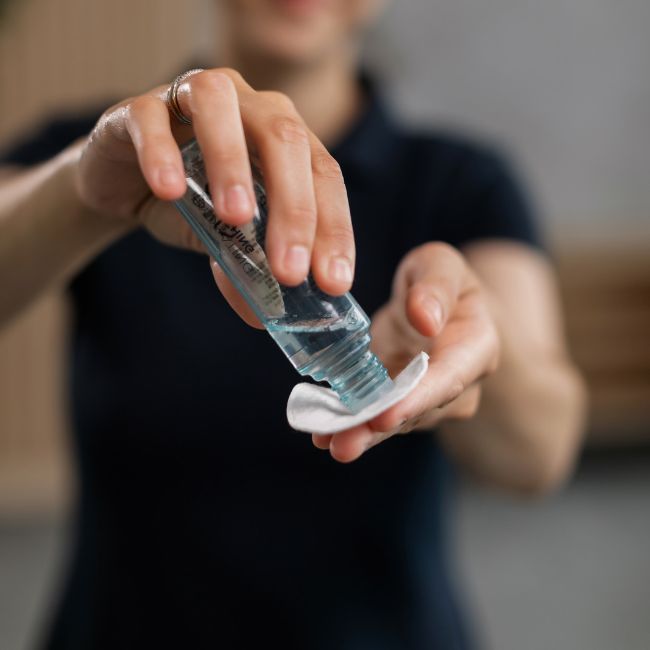
Facial toner is a step that can greatly enhance any skincare routine. Although often underestimated, it fulfills a function that other products can't always replace.
Toner is applied right after cleansing and before serum or moisturizer. This step helps prepare the skin so that subsequent treatments, such as serums and creams, are absorbed more easily.
In this post we explain how facial toner works and how to optimize its benefits in your daily routine.

Facial toner works on the outermost layer of the face and performs three functions. First, it helps balance the skin's pH after cleansing. Second, it removes any remaining makeup or impurities that the cleanser may not have completely eliminated. Finally, it prepares the skin so that serum and moisturizer can work more effectively.
Some toners are limited to these basic functions, while others incorporate specific active ingredients. Advanced formulas include exfoliating acids (AHAs and BHAs), which can help refine skin texture and minimize the appearance of pores with frequent use. Others contain soothing ingredients like aloe vera or rose water, designed for sensitive or easily irritated skin. The difference between a basic toner and one with specific active ingredients can be noticeable in the skin's condition after a few weeks of use.
The right type of facial toner depends on your skin type and the needs you want to address.
Oily or shine-prone skin usually responds best to a formula containing salicylic acid or niacinamide. Salicylic acid can help regulate sebum production and keep pores clear, while niacinamide typically addresses the appearance of enlarged pores.
A hydrating toner with hyaluronic acid or glycerin can help dry skin retain moisture in its outermost layer, while relieving tightness after cleansing. Combination skin can benefit from a balanced formula with niacinamide. This active ingredient helps hydrate the cheeks without overloading the T-zone with excess nutrients.
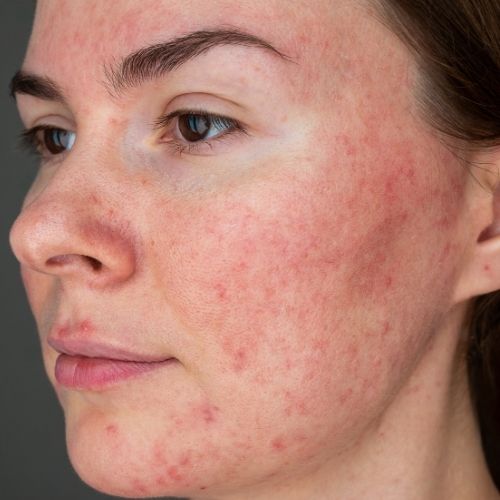
Alcohol- and fragrance-free options are generally better suited to sensitive or redness-prone skin. If they also contain soothing ingredients like centella asiatica or witch hazel, they can help reduce skin reactivity with regular use.
Mature or blemished skin often benefits from antioxidant and brightening toners containing vitamin C, retinol, ginseng extract, coenzyme Q10, or AHAs such as lactic acid. Daily use of these formulas can help protect the skin from free radicals, promote collagen production, even out skin tone, and brighten the complexion.
Facial toner is usually applied after cleanser and before serum. It can be used morning and night. Toners containing exfoliating acids are best reserved for nighttime use, as they can increase the skin's sensitivity to the sun.
The most common way to use it is with a cotton pad, which is gently glided over the face and neck. Another option is to apply it directly with the palms of your hands and press gently onto the skin, which can promote absorption without causing friction. The hand method usually works best with highly moisturizing or water-based formulas.
If the toner contains acids, it is recommended to start gradually, for example, every two or three days, and observe how the skin responds before increasing the frequency.
One of the most common mistakes is applying toner to a dirty face. This product is not a substitute for cleanser, and if the skin has makeup or sunscreen on, its absorption can be compromised.
Combining a toner with acids and a serum with retinol in the same routine is also generally not a good idea. This interaction can increase the risk of irritation, especially in skin that isn't used to these active ingredients. It's best to use them separately or on alternate nights.
Rubbing the cotton pad too hard can also irritate the skin, especially in more delicate areas like around the eyes or cheeks. A gentle touch and upward strokes are usually enough to distribute the product evenly.
Changing toners too frequently, before your skin has had time to adjust, is another mistake that can prevent you from seeing results. Consistency over several weeks is what allows you to determine if the product is right for your skin.
If you want to know which toner best suits your skin, at Perfume's Club you have a selection of facial toners with options for every need.
Just register and we'll send you a welcome email with the bonus.







 Perfume
 Beauty Corner
 Univers
 Univers








 Commitment to
 Mothers
 Sun creams
 Sunglasses
 Beauty
 SUNGLASSES