 Gift
Gift  Autumn
  Beauty Corner
 Viral
Viral 













OUR UNIVERSES
Enjoy and explore the themed experiences created for those who are looking for something more
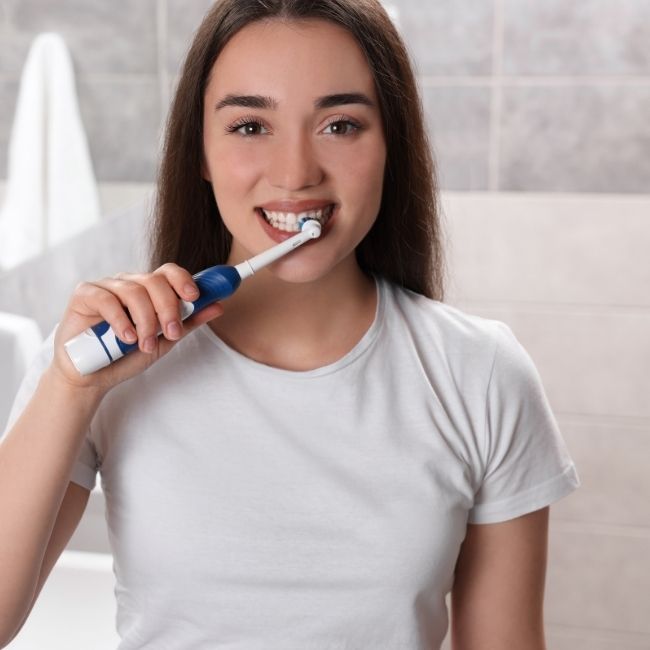
Having a dazzling smile is everyone's dream. The problem is that, between morning coffee, after-work wine, and other habits, keeping your teeth white starts to feel like a losing battle.
The good news is that you don't need to spend a fortune at the dentist or risk using dubious remedies. With the right information, an at-home teeth whitening treatment can give you real results in the short term.
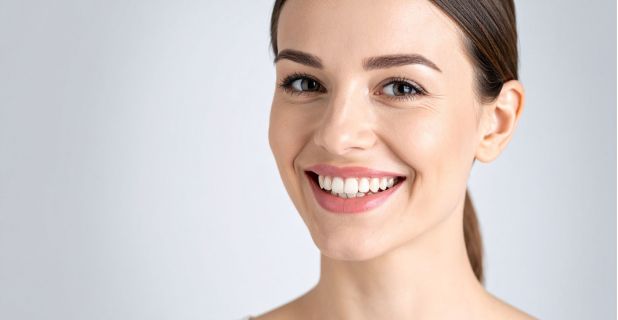
It's important to understand the difference between dental cleaning, which simply removes surface stains from coffee, tobacco, or red wine, and true teeth whitening , which lightens the natural shade of the teeth from within.
Among the most common ingredients used at home are hydrogen peroxide in low, safe concentrations, and mild activated charcoal , which can help as a polishing complement, although on its own it won't lighten the underlying enamel. If a product doesn't mention either of these, its effectiveness may not be as expected.
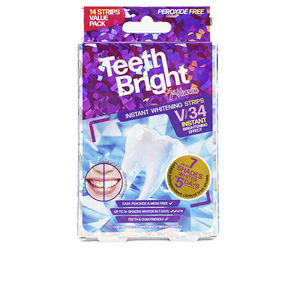
Among the most common options are whitening strips . They are characterized by being convenient, inexpensive, and perfect for beginners, although the results are usually more subtle and take several weeks to become noticeable.
Gels with a splint offer more visible results because the product remains in direct contact with the tooth for longer, but they require consistency and, in some cases, cause some sensitivity in the first few days.
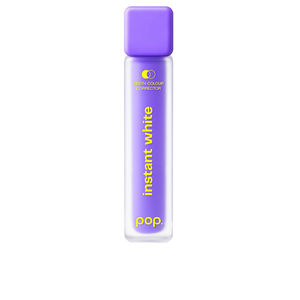
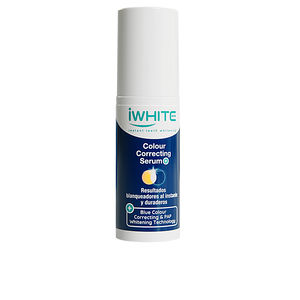
On the other hand, if you're looking for an immediate optical effect to neutralize yellow tones at specific times, there are violet color-correcting serums that work using color theory to instantly neutralize yellow tones in the enamel. It works similarly to purple shampoo for hair, instantly counteracting the yellow undertones on the tooth surface.
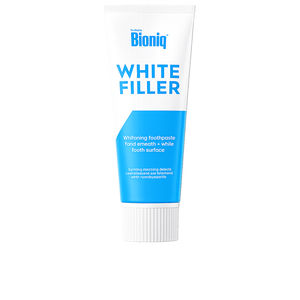
Active toothpastes are the perfect maintenance once you've achieved the shade you wanted, although on their own they won't whiten a yellow tooth.
Honestly, there's no such thing as permanent teeth whitening, especially if your diet includes curry, black tea, wine, or those two coffees a day we already mentioned. The effect typically lasts between six months and a year , depending on your habits.
But before you get discouraged, consider the maintenance effect : you don't need to repeat the entire treatment every time you notice your teeth fading a bit. A quick touch-up with strips once a month, or alternating the active paste a couple of times a week, greatly extends the results without having to start all over again.
The baking soda and lemon mixture circulating on social media doesn't whiten your nails: it literally sands down your enamel with citric acid. Once the enamel wears away, it won't grow back.
Rubbing pure activated charcoal on your teeth isn't a viable solution either, because in excess, it's abrasive and can make teeth more sensitive, not whiter. And beware of products bought from unreliable sources: without concentration regulation, the risk of burning your gums is real.
Any teeth whitening treatment that promises results in 24 hours without any sensitivity deserves, at the very least, a second look.
It all starts with a normal brushing , the kind you've always done, so the product works on a clean surface and not on food debris or plaque. Once your teeth are clean, apply the treatment for the exact time indicated by the manufacturer, not a minute longer: more time doesn't mean whiter teeth, only more sensitivity the next day.
And here's the part almost everyone skips: the hours afterward are just as important as the application itself. Avoid coffee, wine, tomato sauce, and anything dark during that time. Stick to the famous "white diet ," because your nail polish becomes temporarily more porous and absorbs pigments more easily than it does the rest of the day.
Here's the fact almost no one tells you before you buy: if your teeth already complain about ice cream or cold water, a high-concentration gel with a splint could turn into three days of toothache by choice. In these cases, strips with gentle formulas or active toothpastes are a much gentler starting point, although the results may take a little longer to appear.
If, on the other hand, your enamel is steel and you've never had any problems, you can use stronger, more concentrated formulas. The key is to listen to your mouth, not the promises on the packaging.
Remember that if you feel any twinges or discomfort that do not subside after 24 hours, stop the treatment and give your teeth a break before resuming it.
The perfect smile doesn't exist, but a well-cared-for smile does, and that one always wins. It's not about chasing that toothpaste-ad white, but about finding your routine and sticking to it. Have you tried any of these methods, or are you still relying on the power of your trusty toothbrush?
If you want to start today, here you can find what to give your smile the boost it needs.
Just register and we'll send you a welcome email with the bonus.







 Perfume
 Beauty Corner
 Univers
 Univers







 Commitment to
 Mothers
 Sun creams
 Sunglasses
 Beauty
 SUNGLASSES